Saturation Studies: Sedimented Time
An Introduction to the Paperworks of Andreas Johnen
Text by Anna Fernsten Nilén
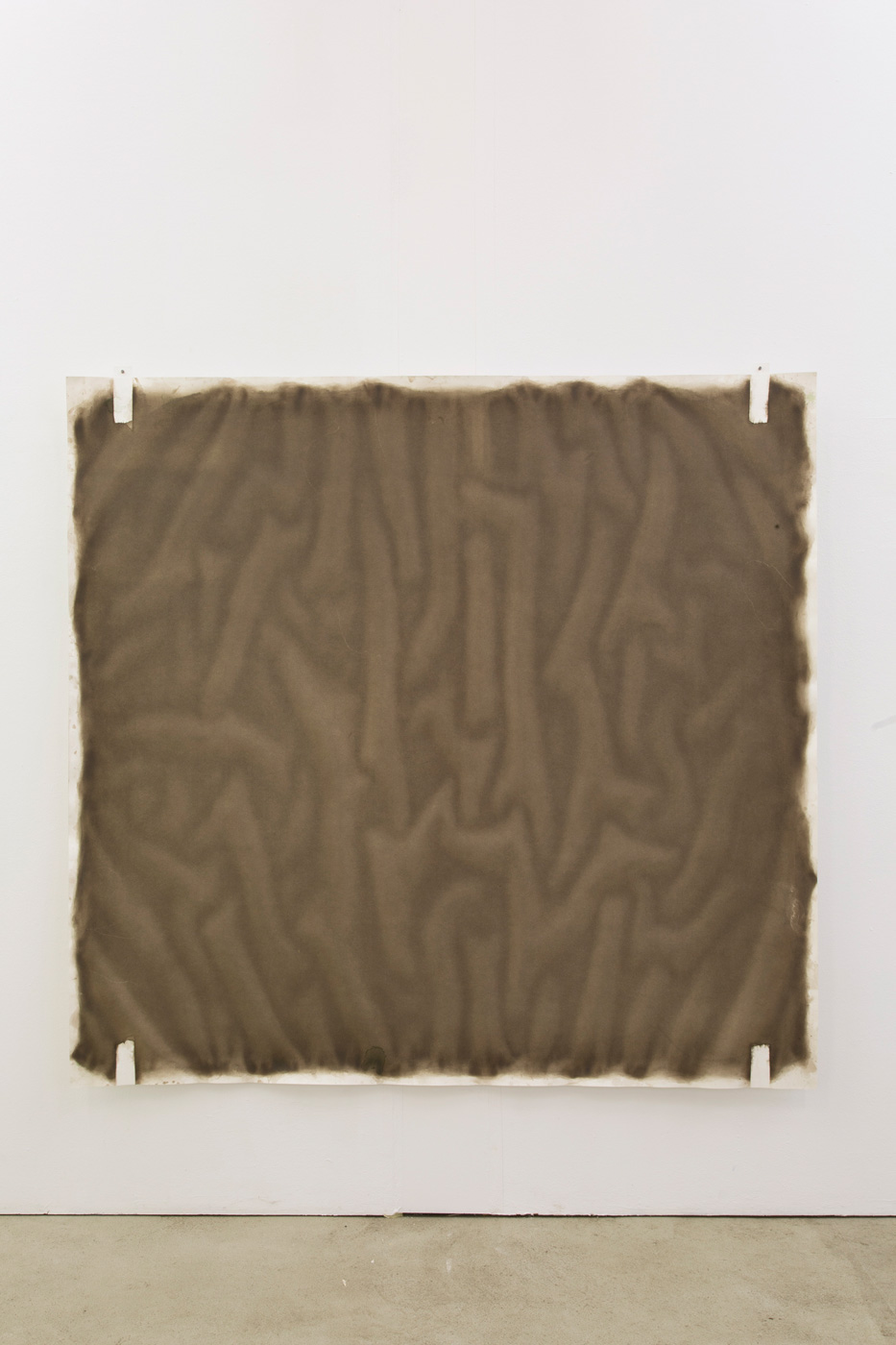
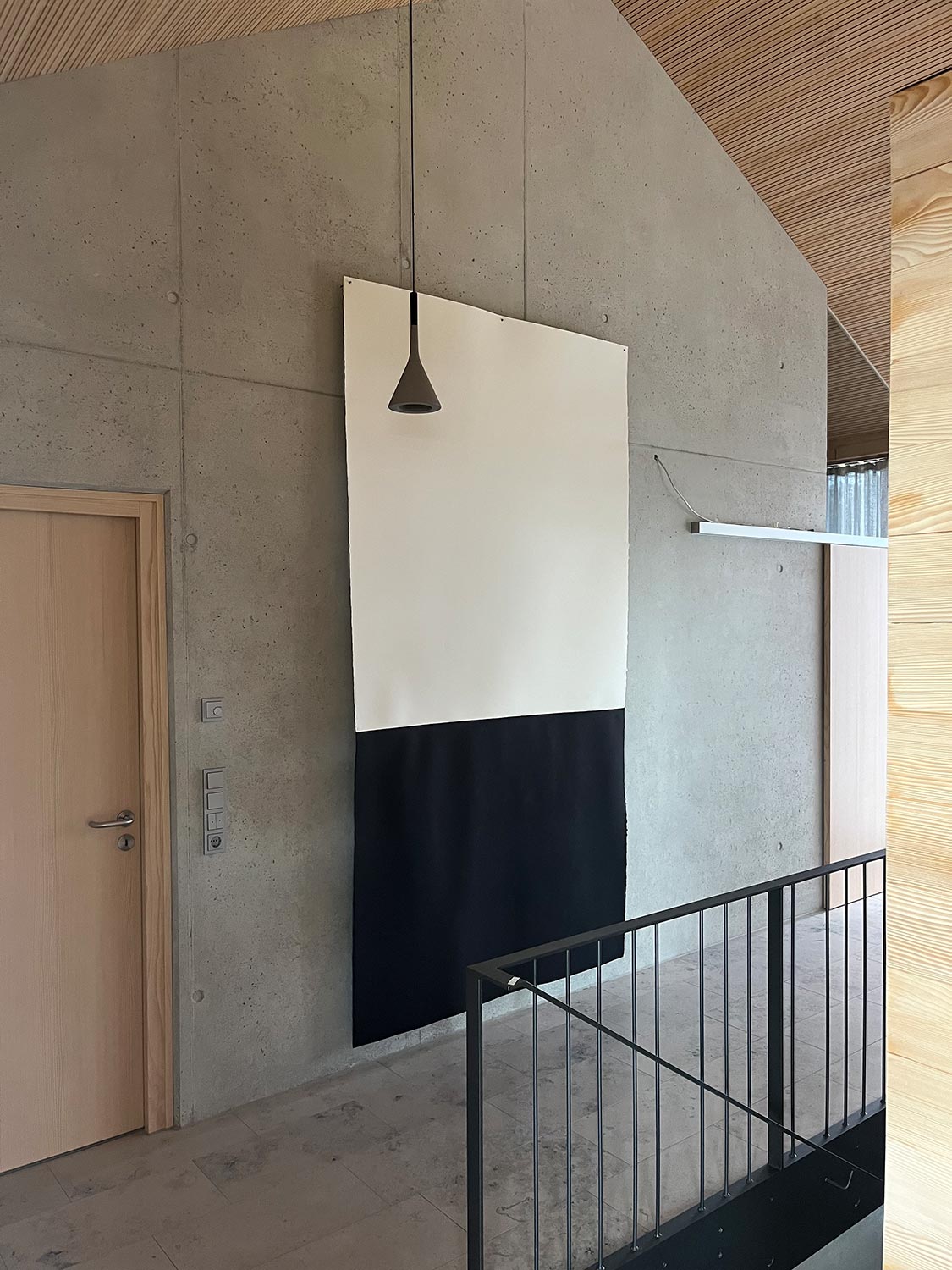
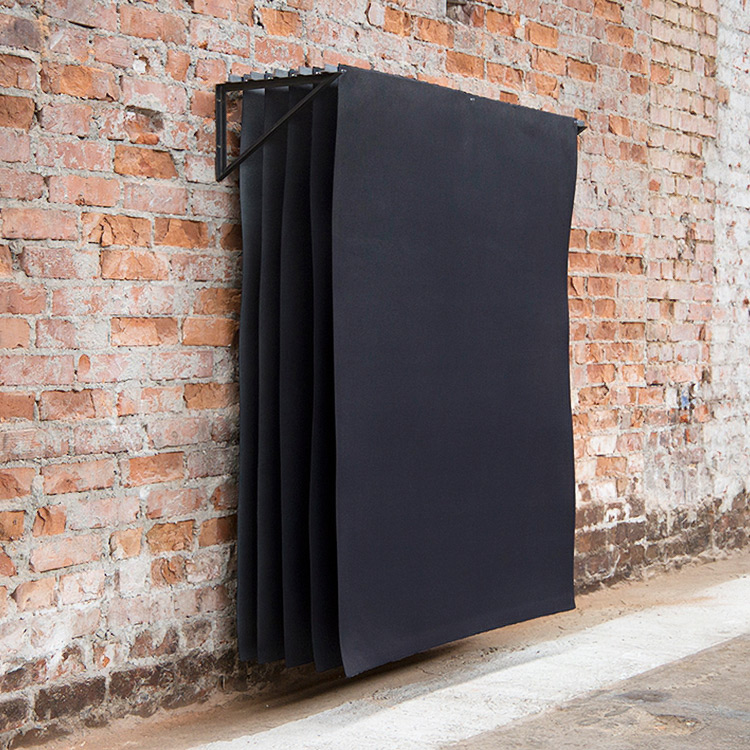
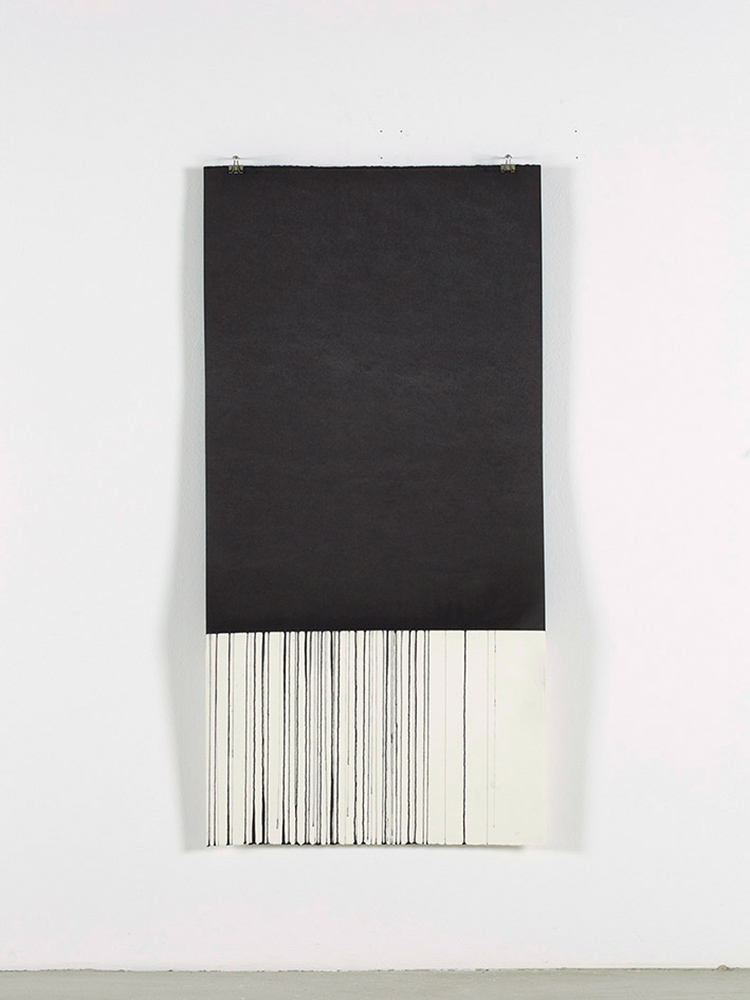
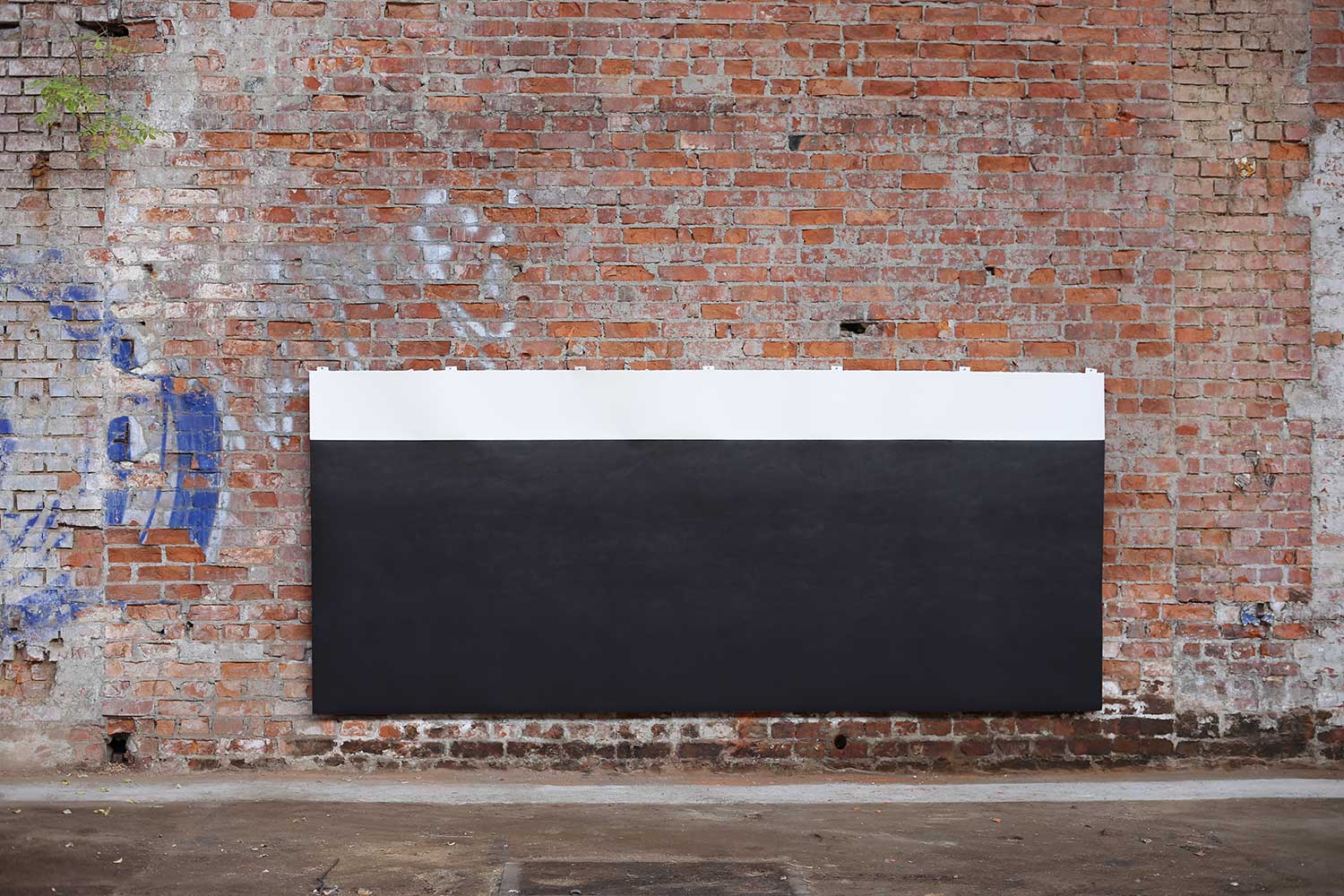
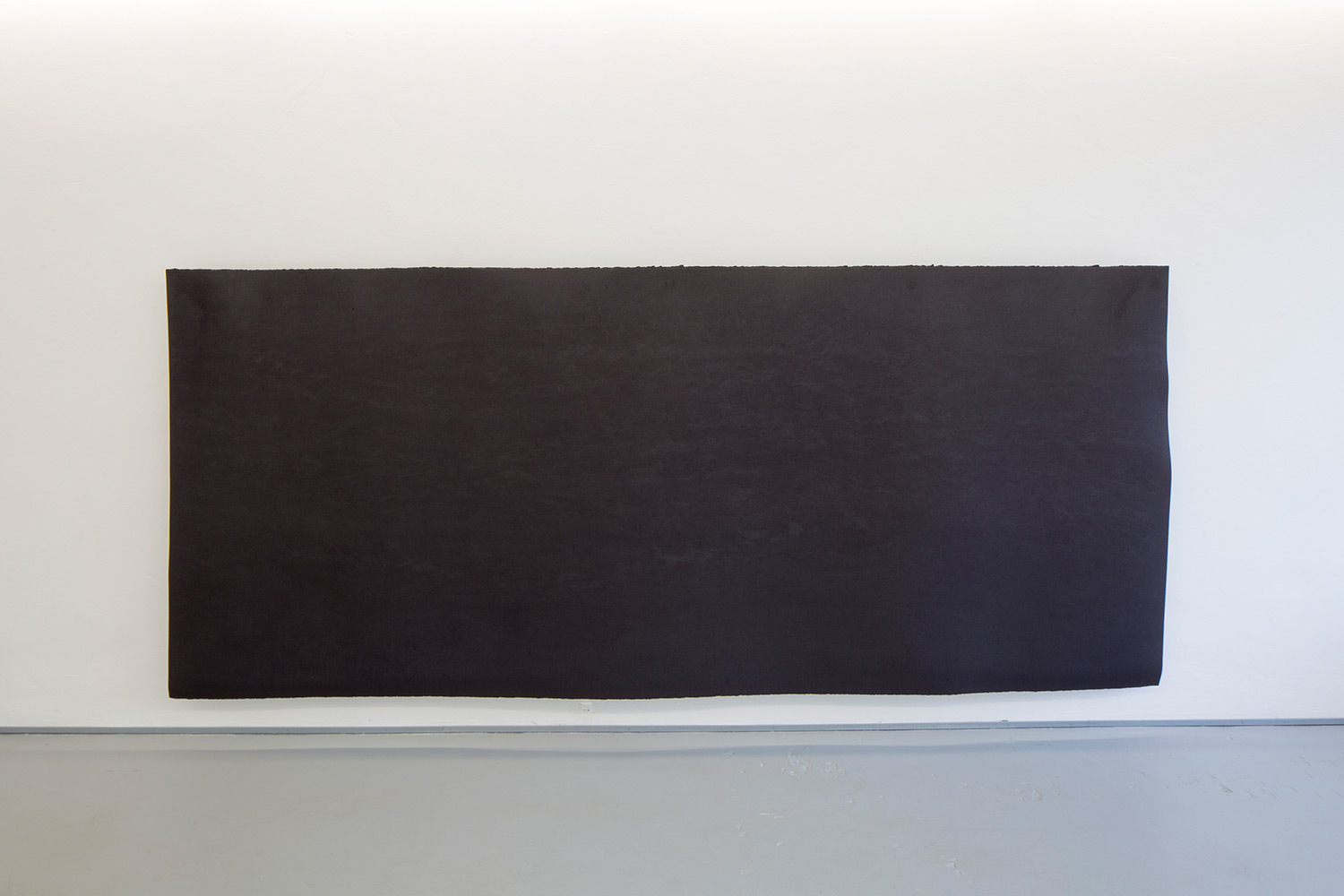
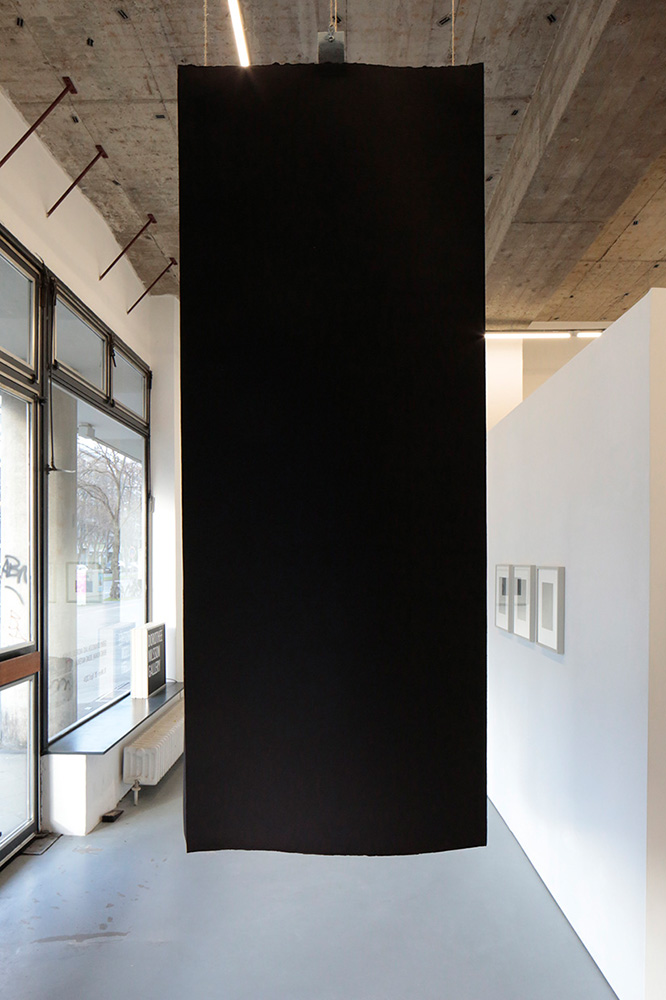
A monumental sheet of paper slowly emerges from a bath of dense black pigment. Almost imperceptibly, Andreas Johnen raises it from the liquid. The saturated paper grows heavy, its increasing weight resisting his movement. There is no expressive gesture or dramatic intervention, only a sustained act of attention through which pigment gradually permeates the fibers and the material undergoes a quiet transformation.
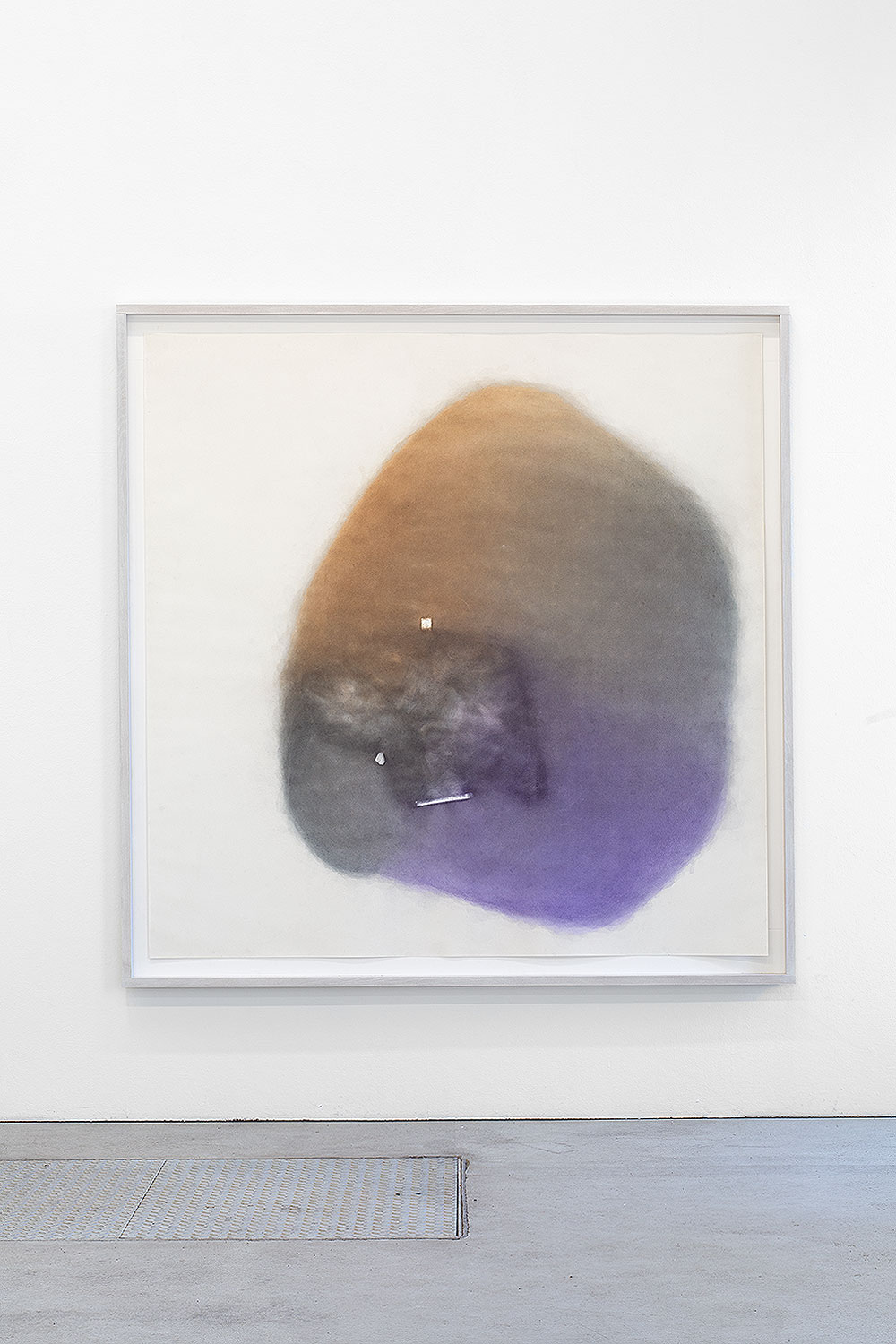
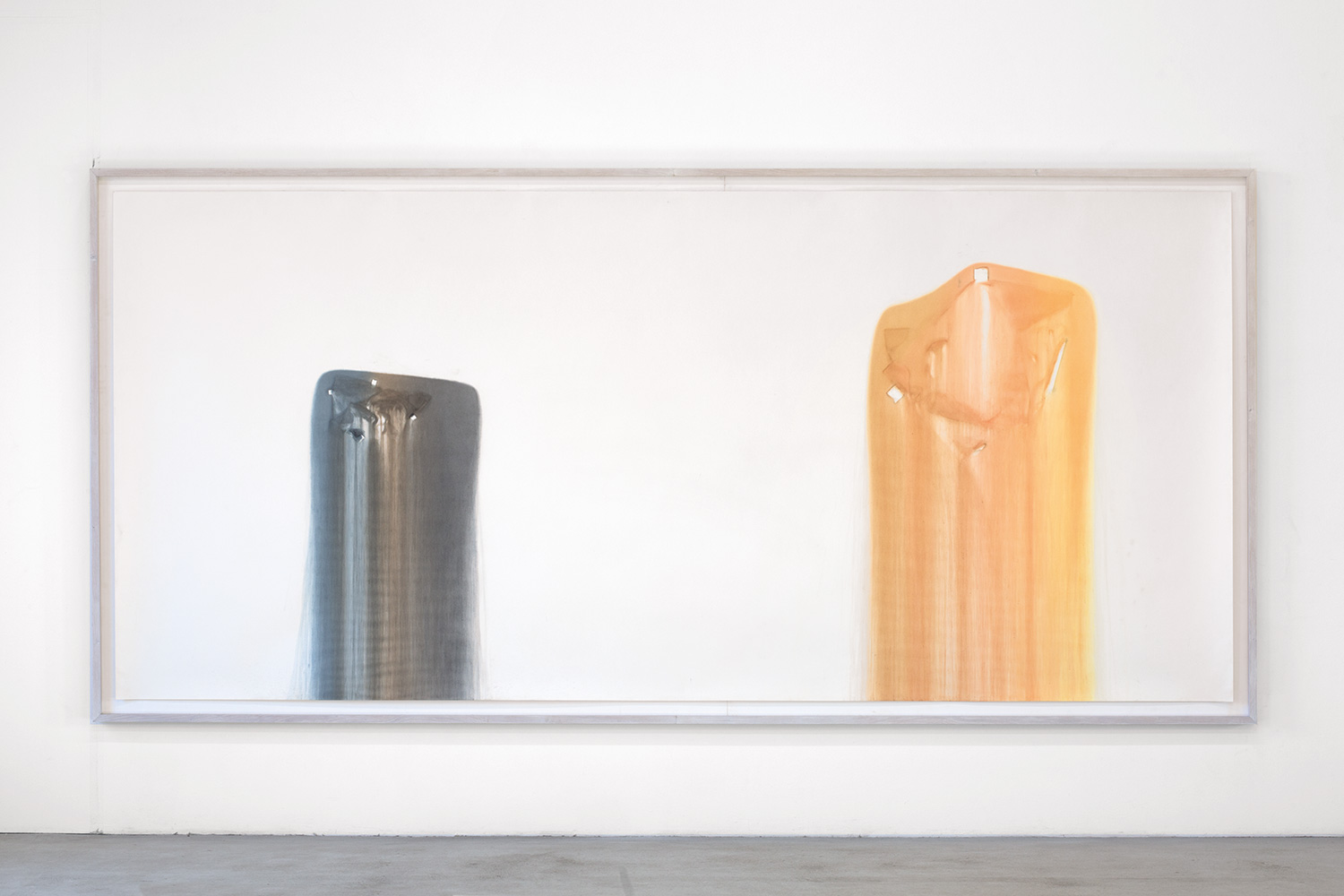
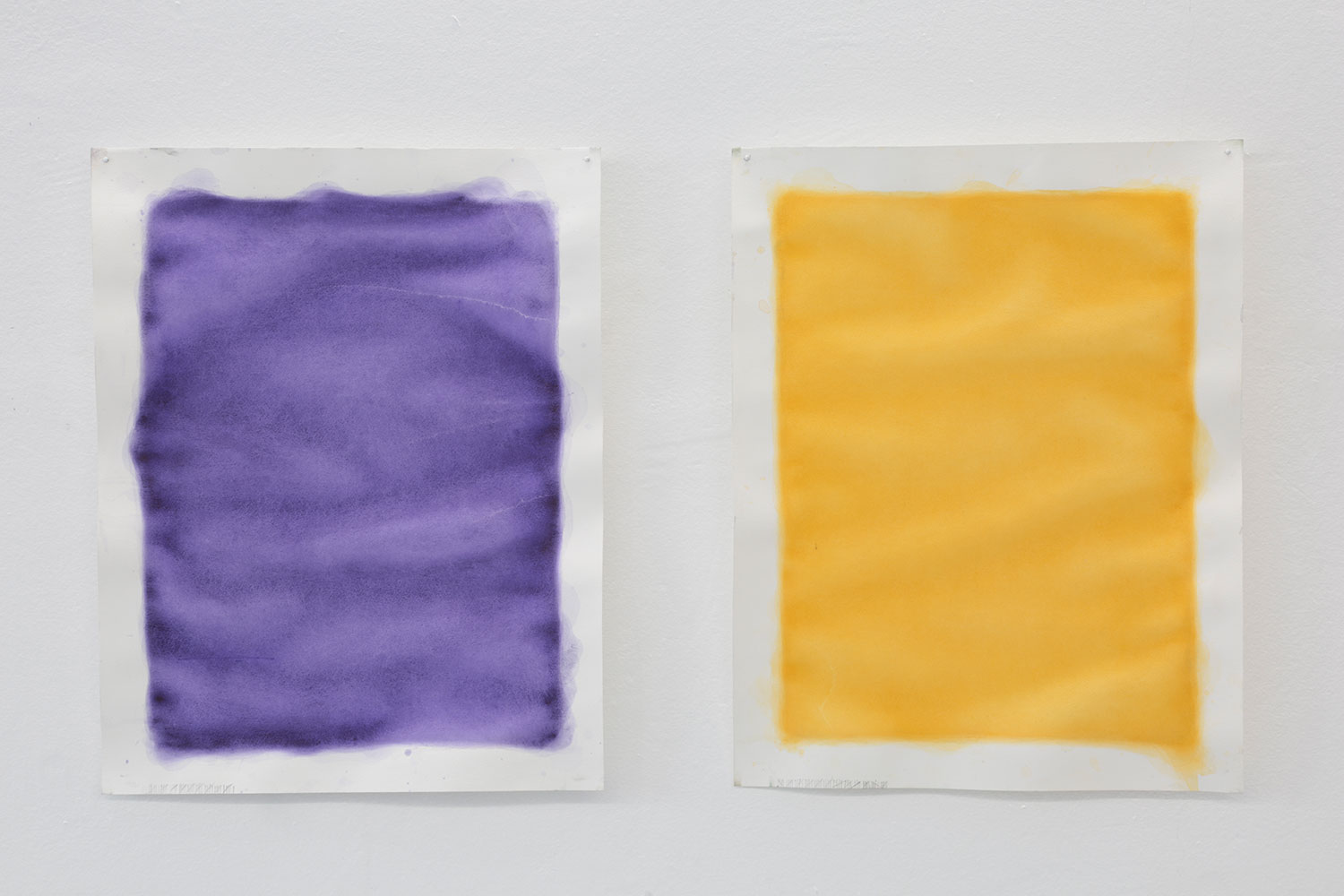
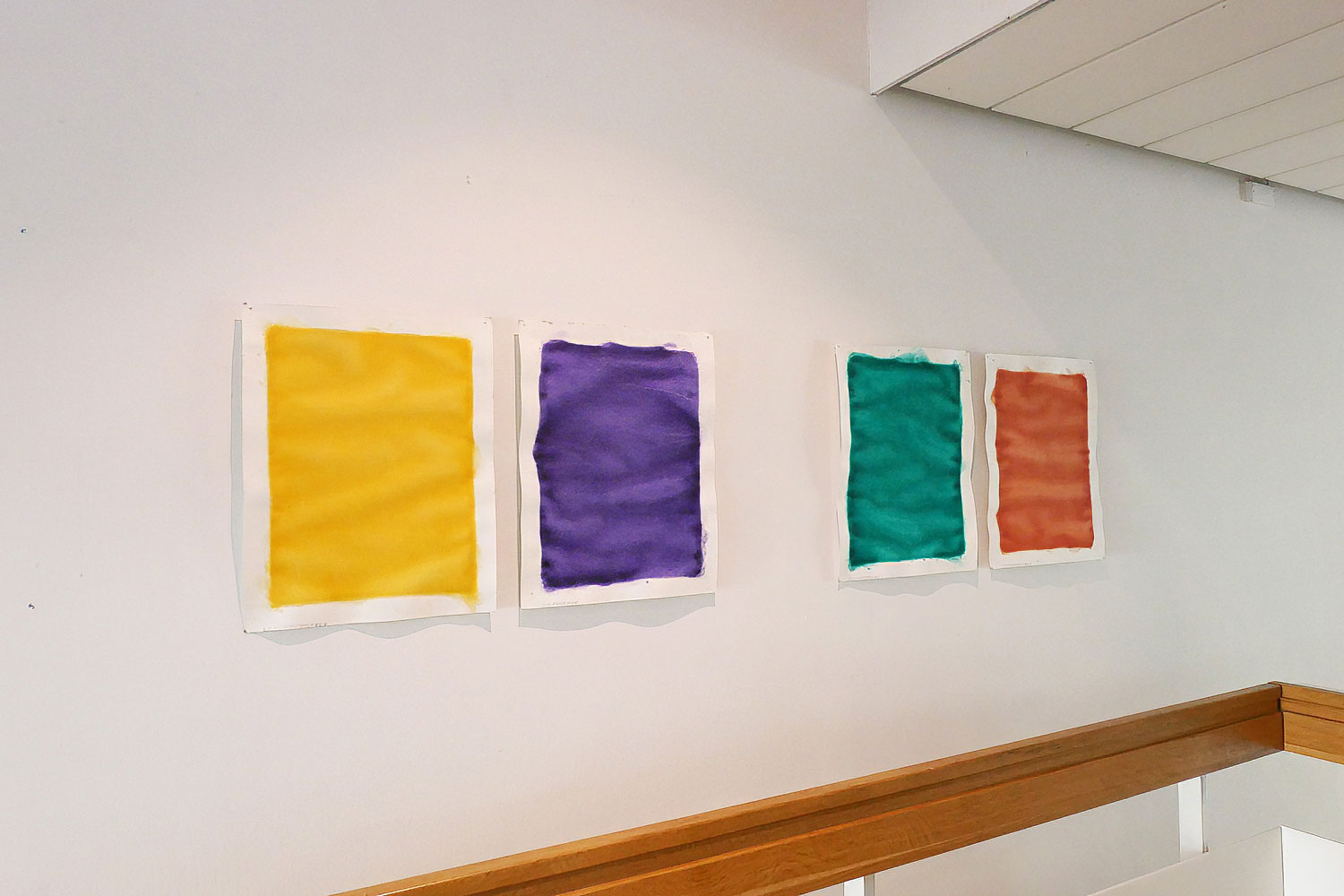
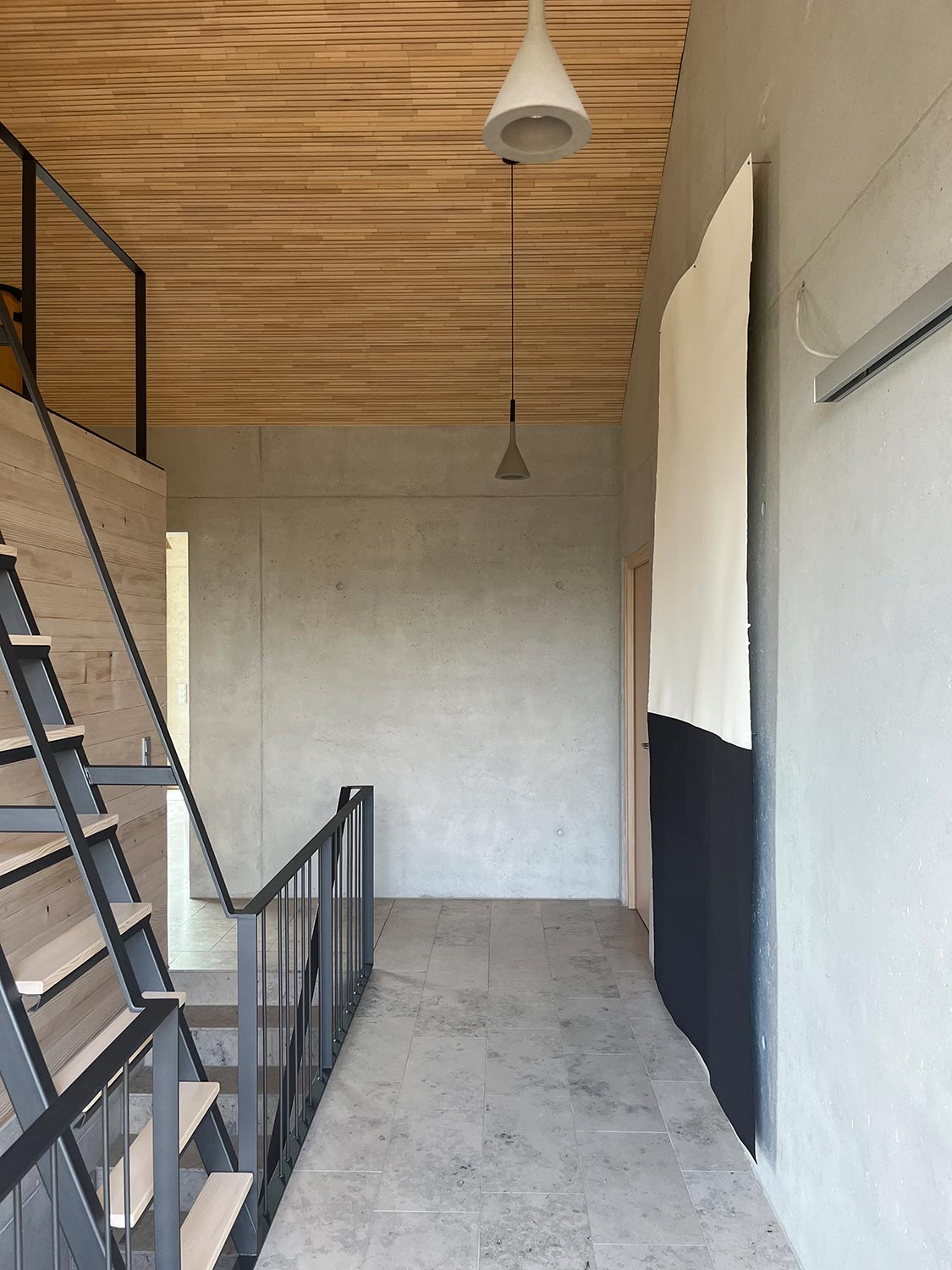
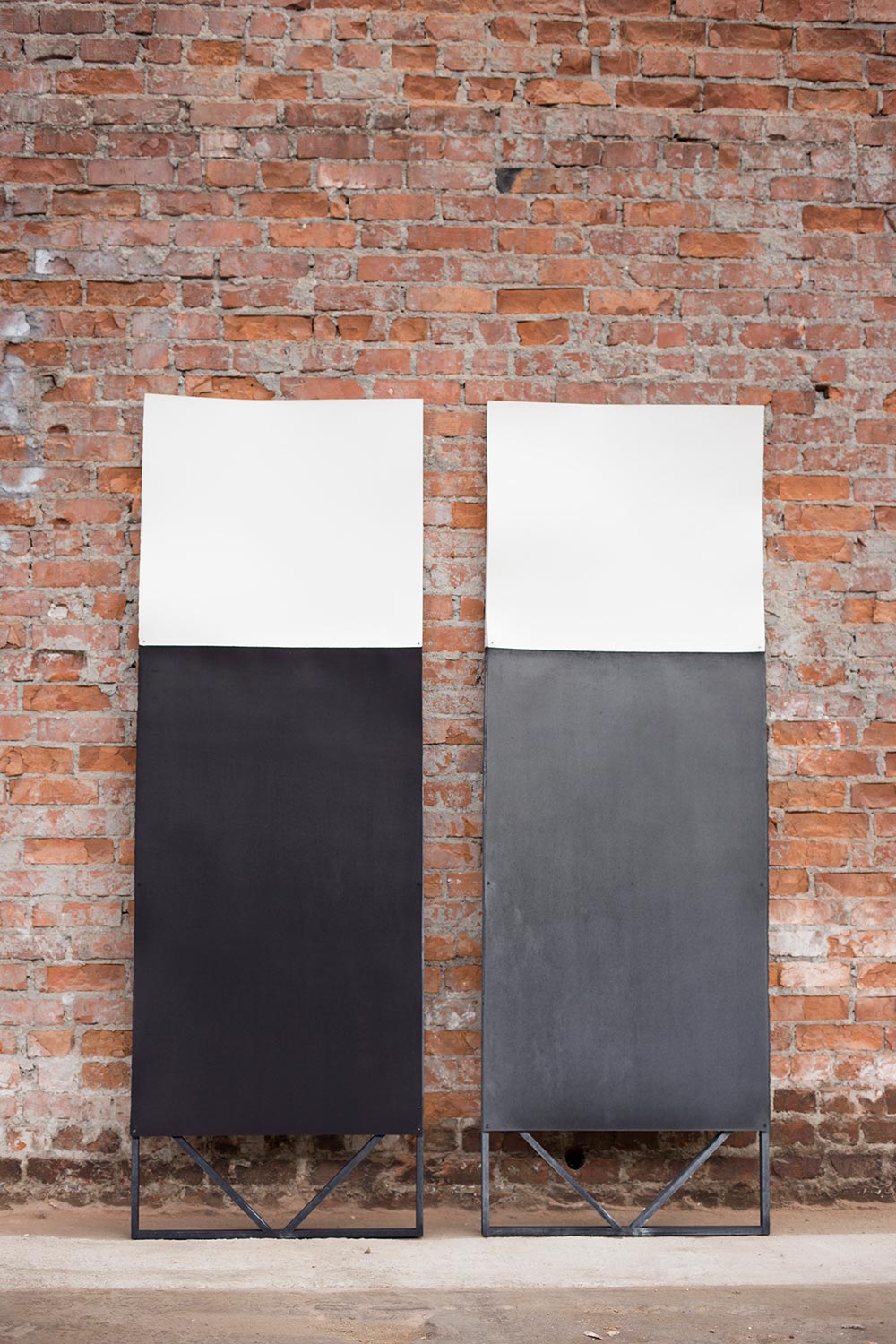
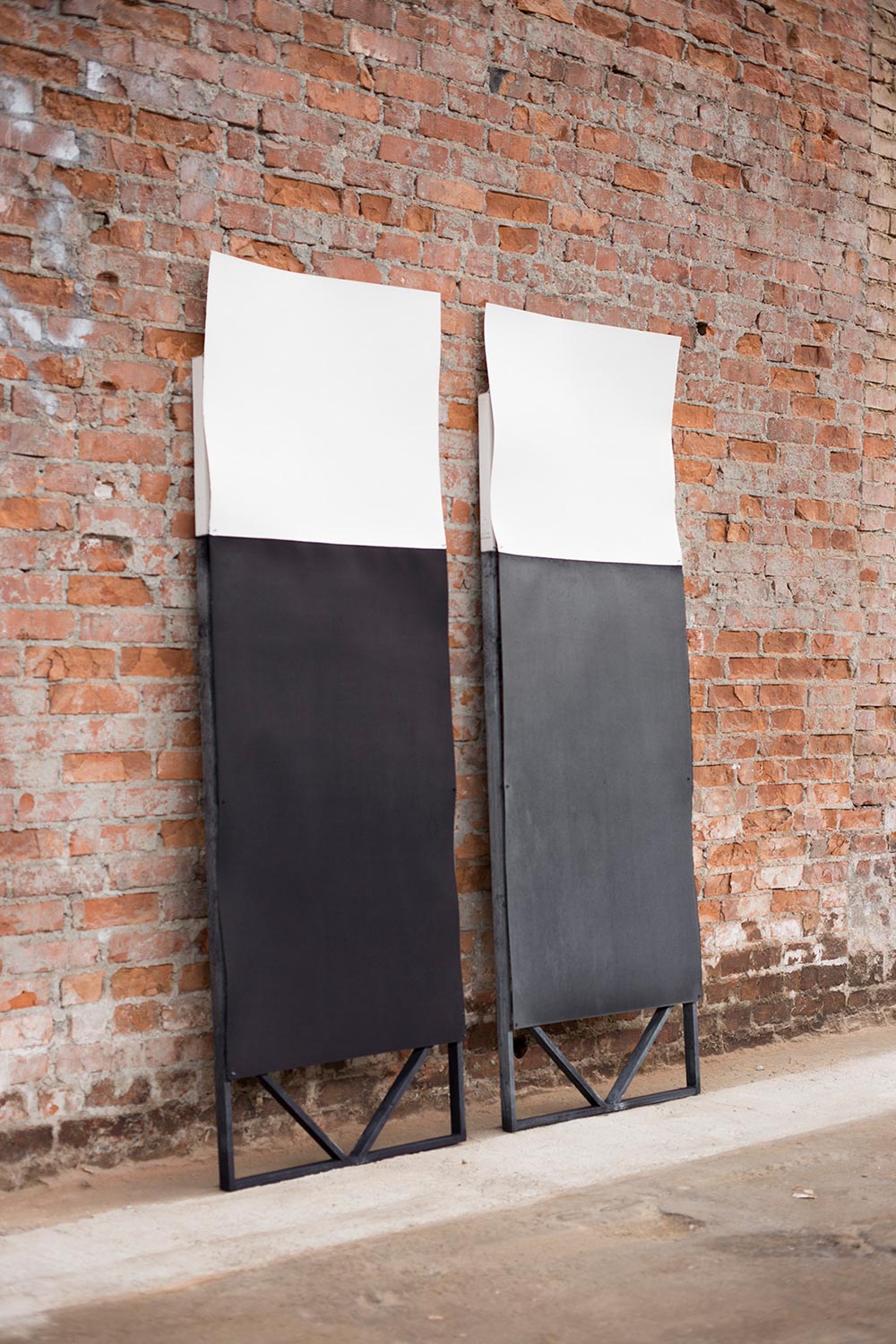
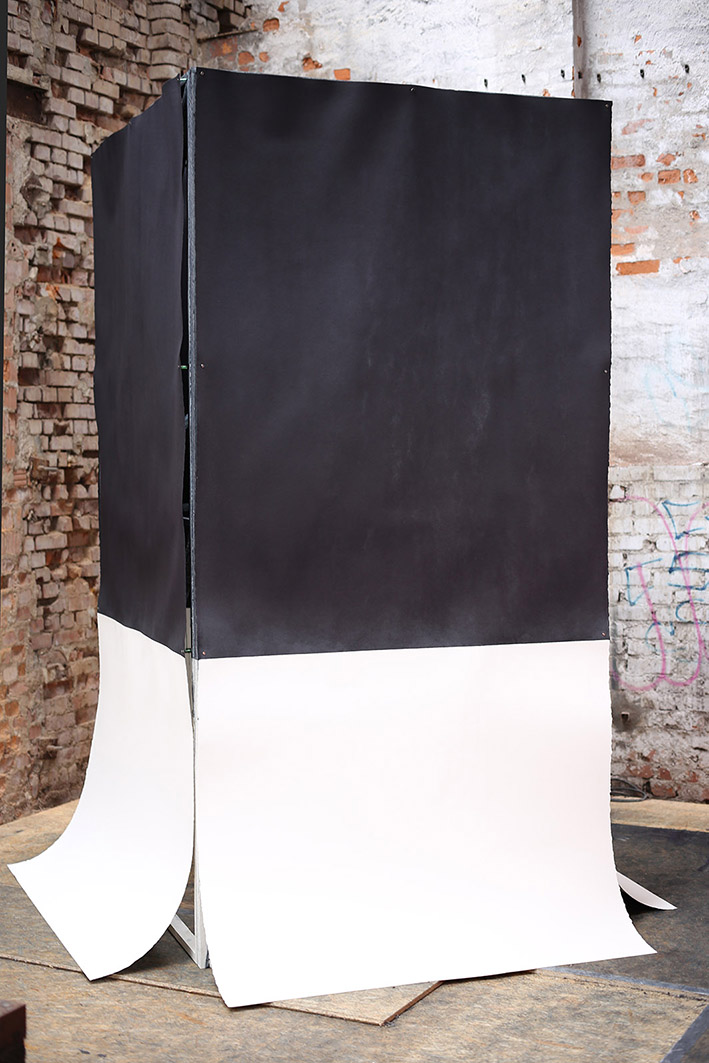
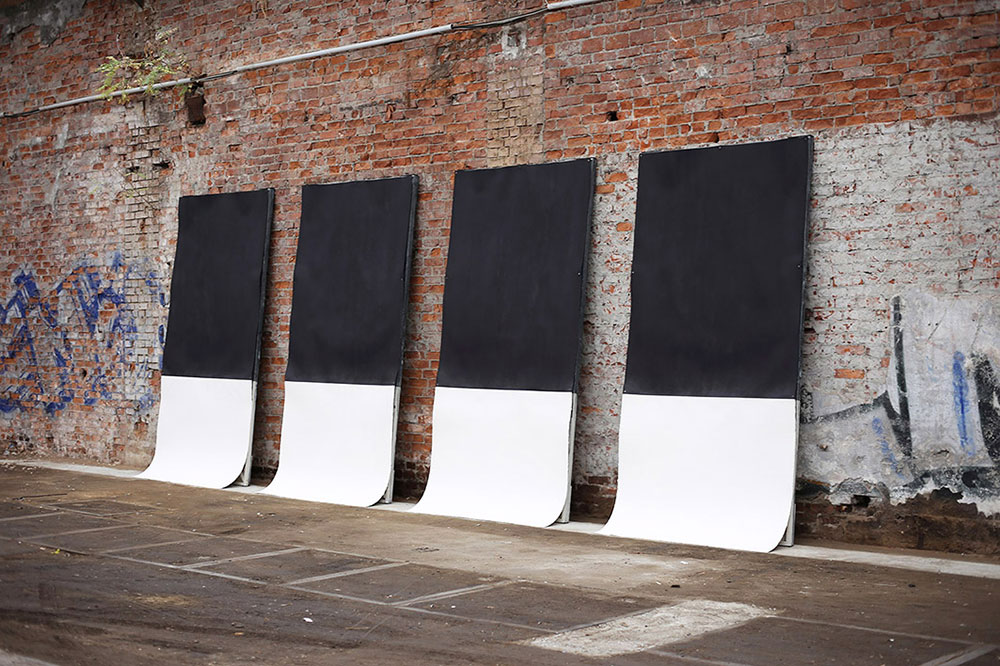
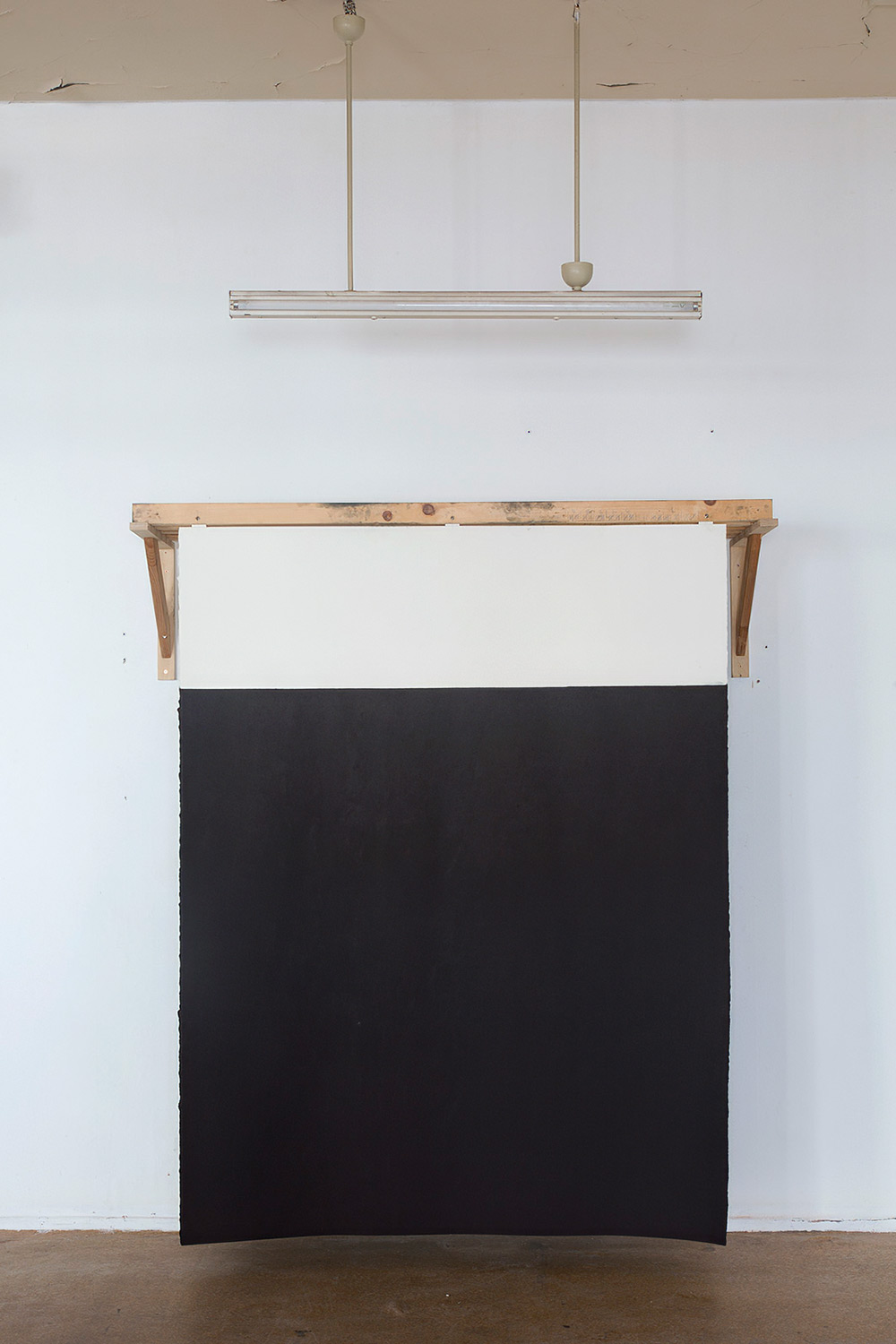
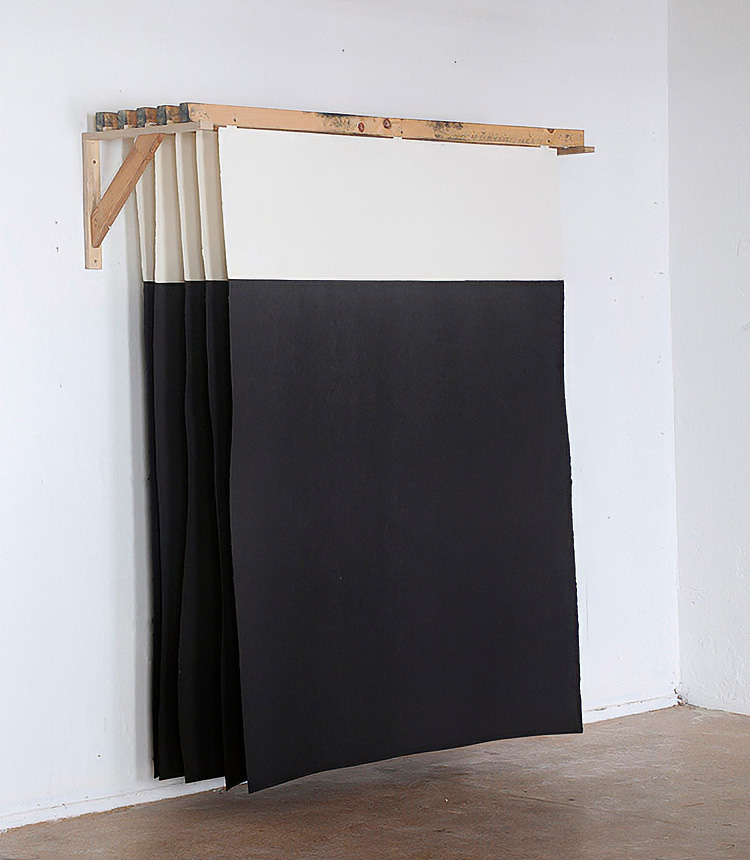
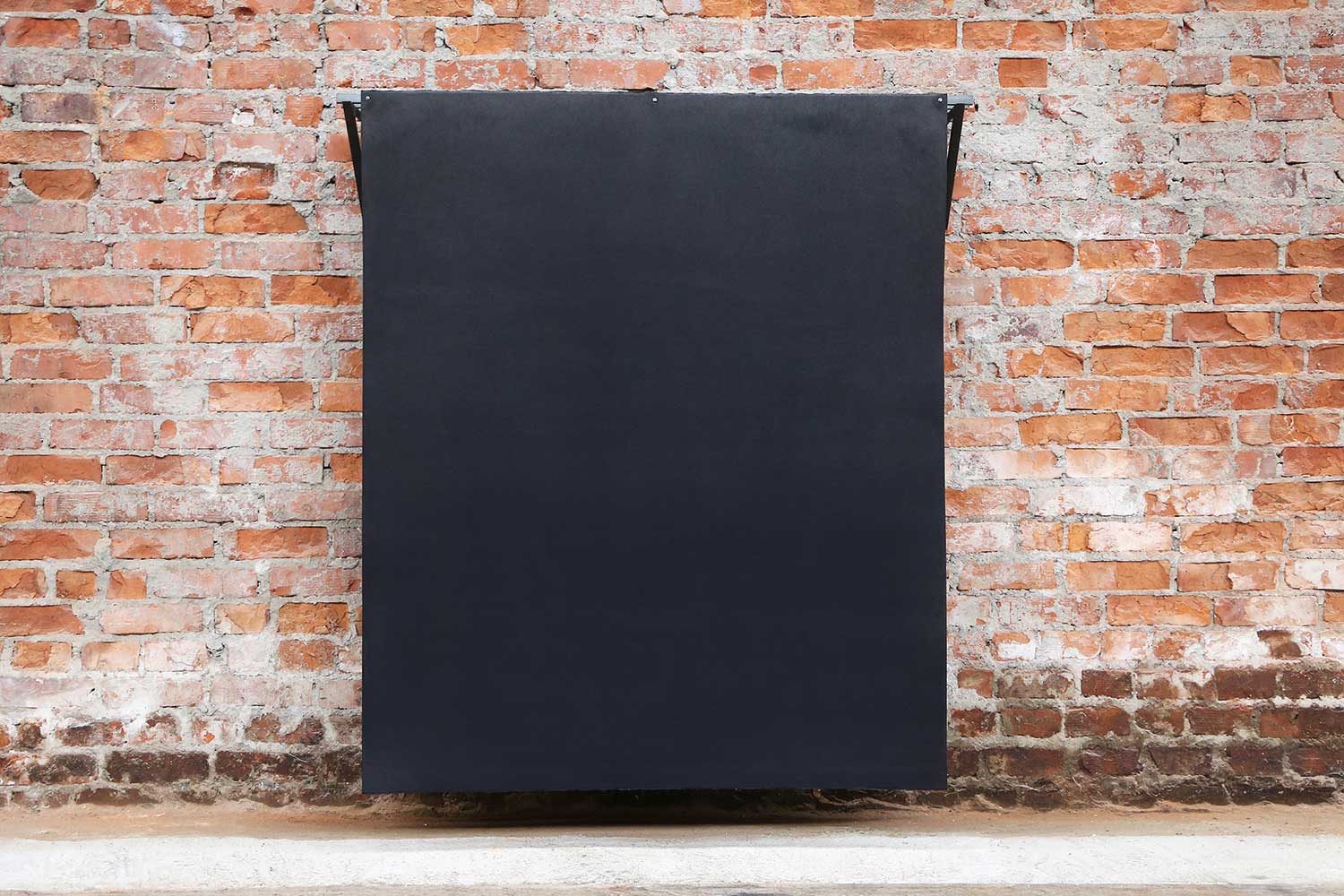
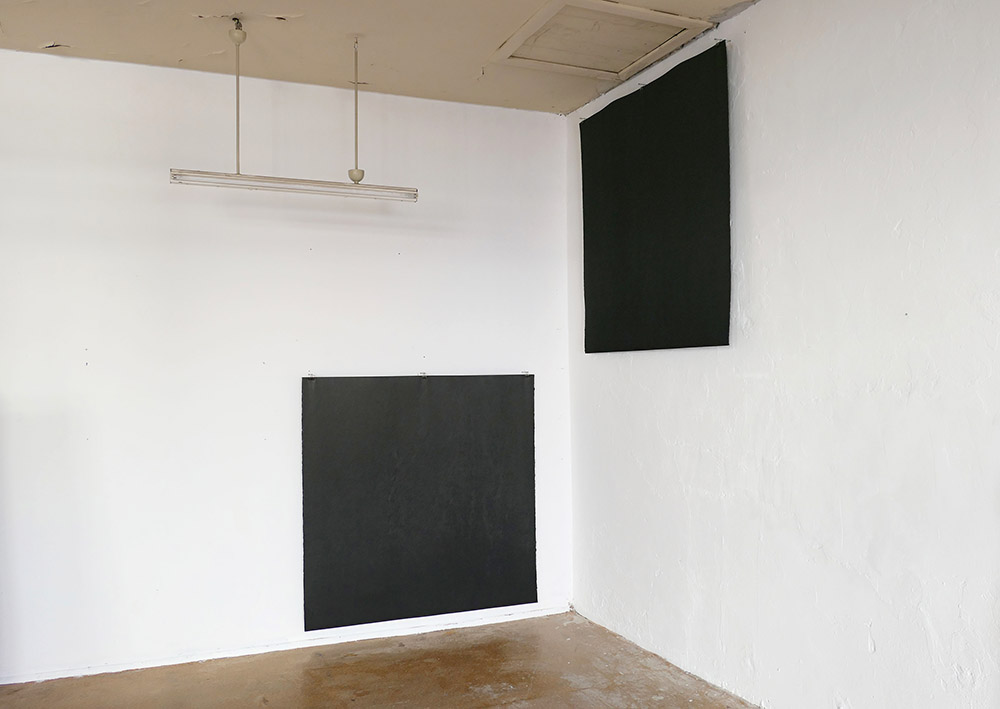
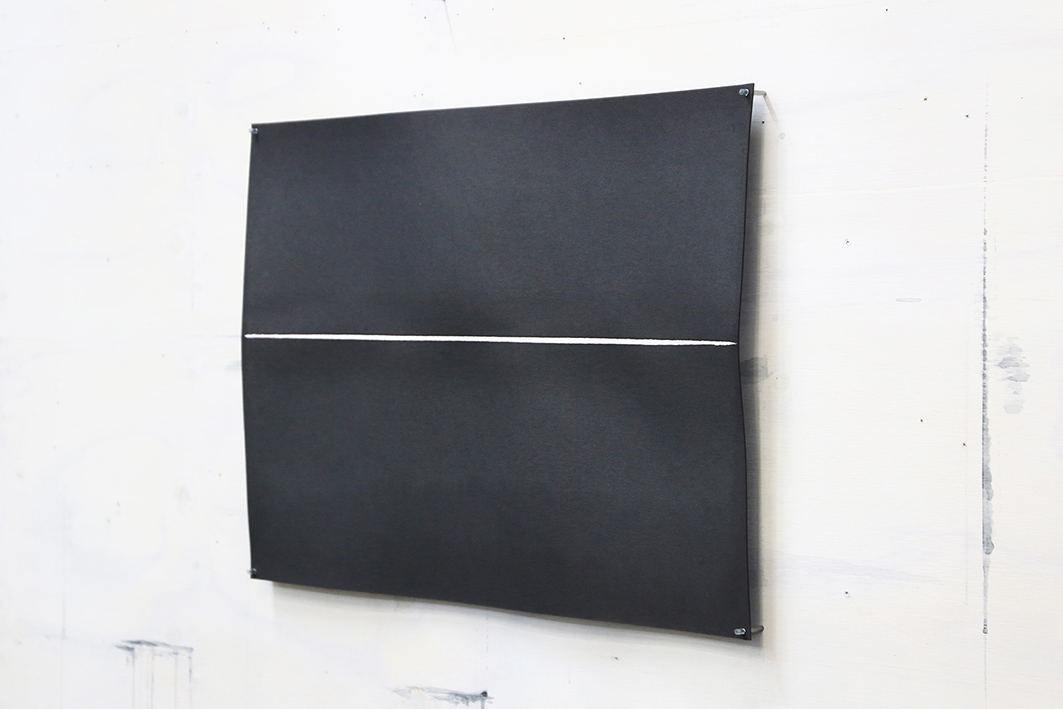
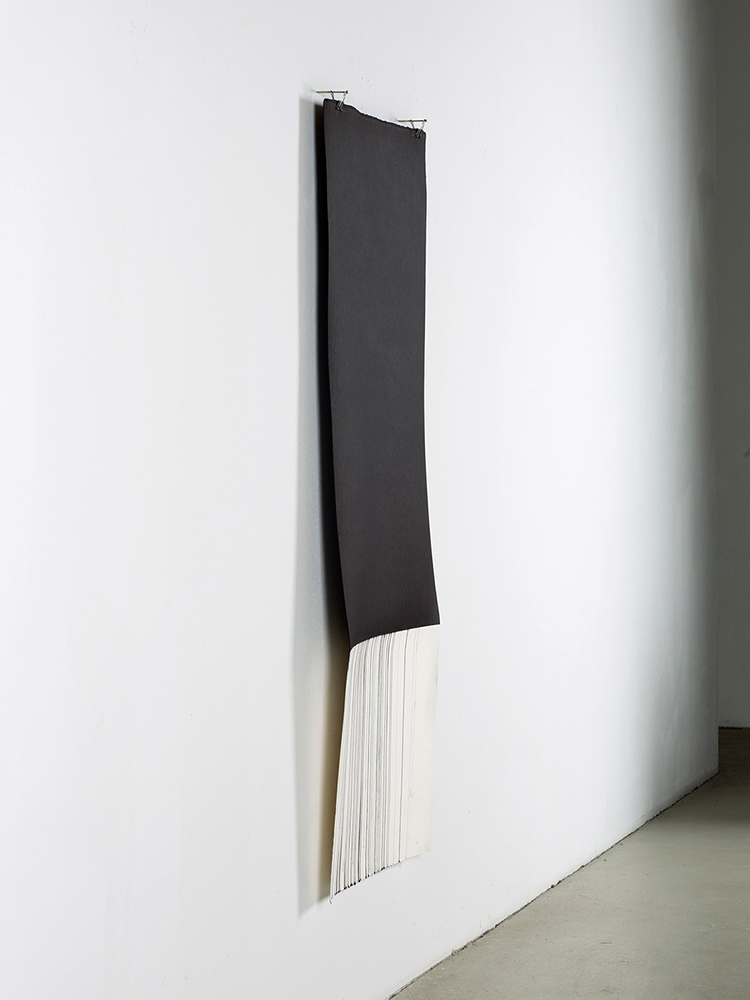
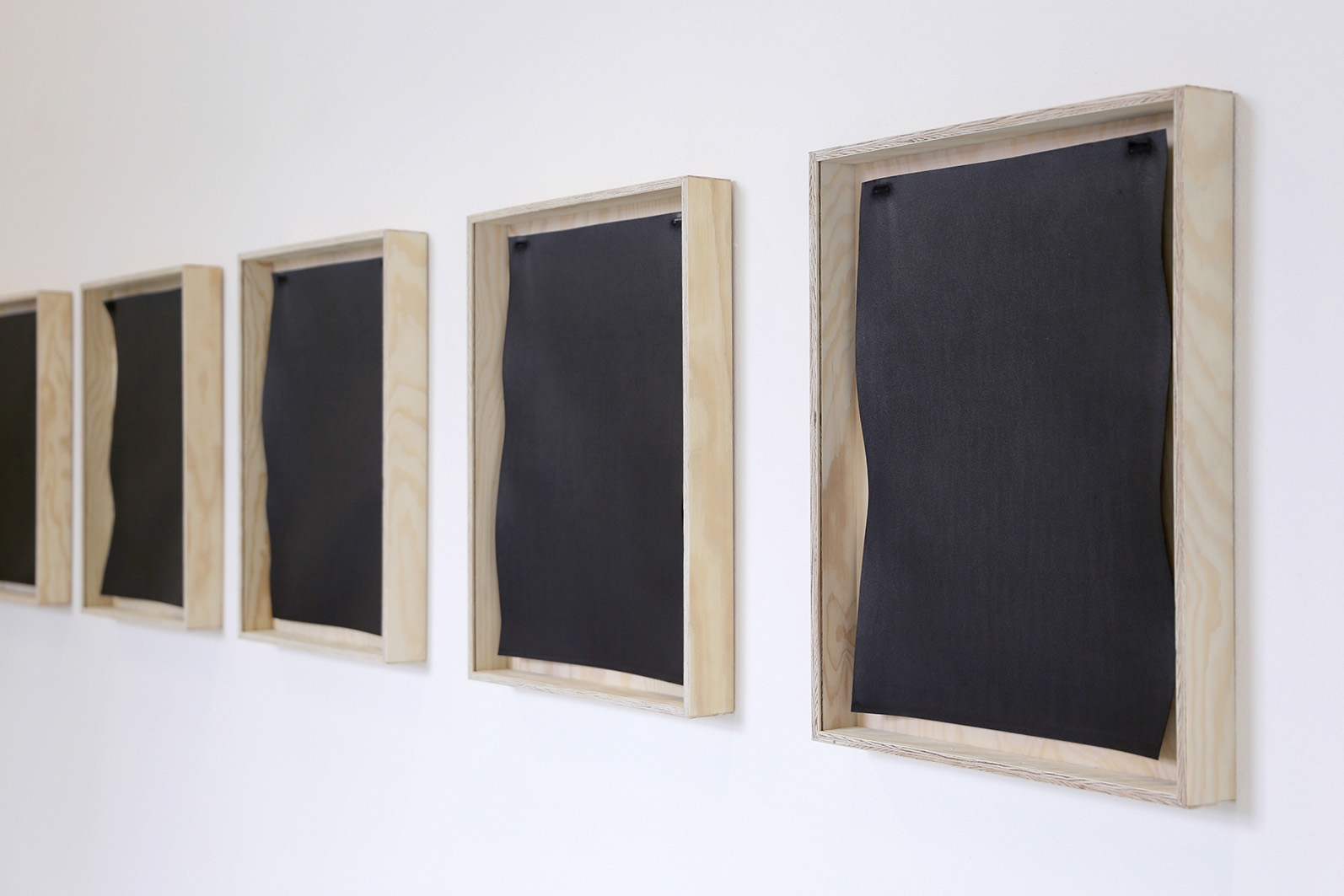
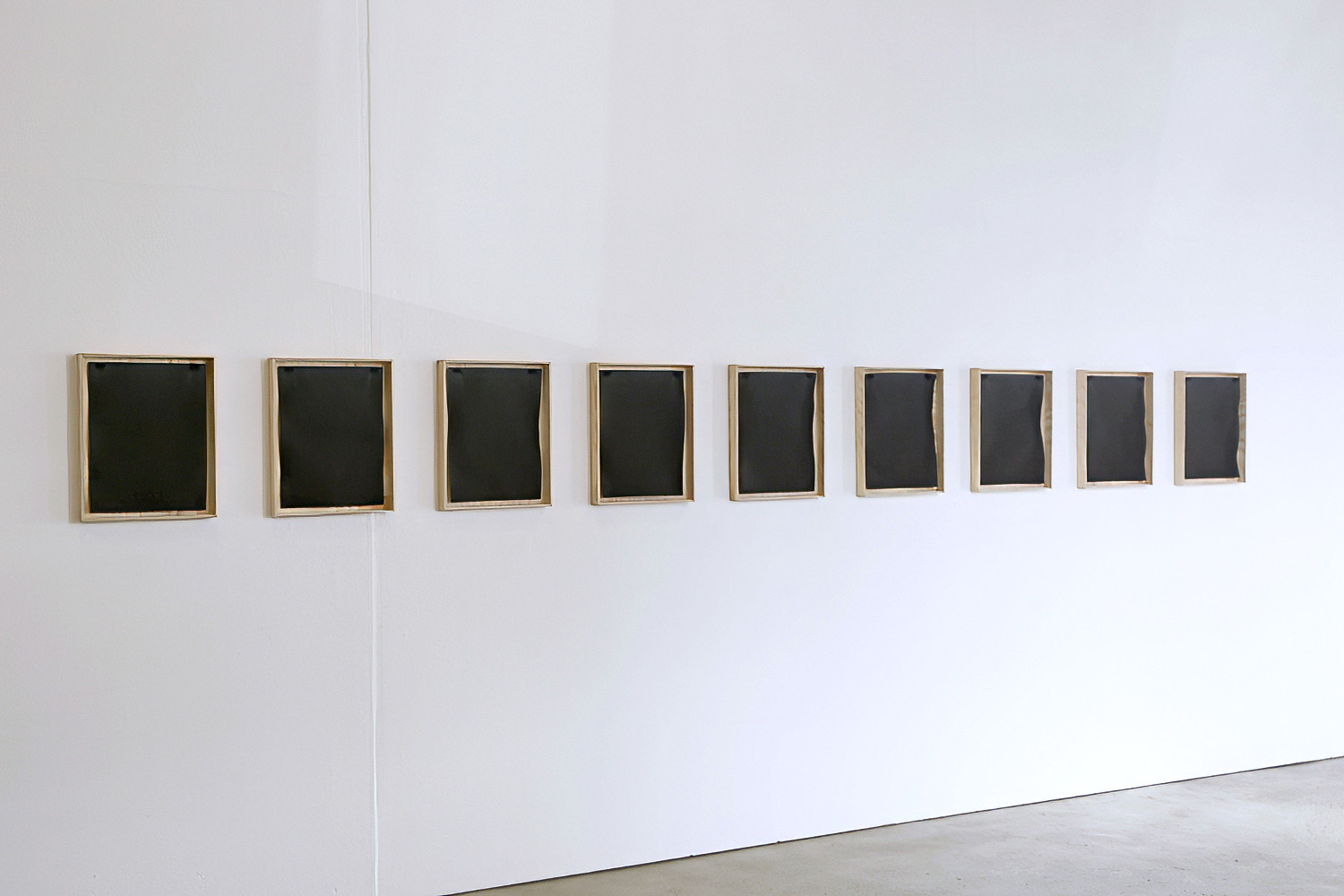
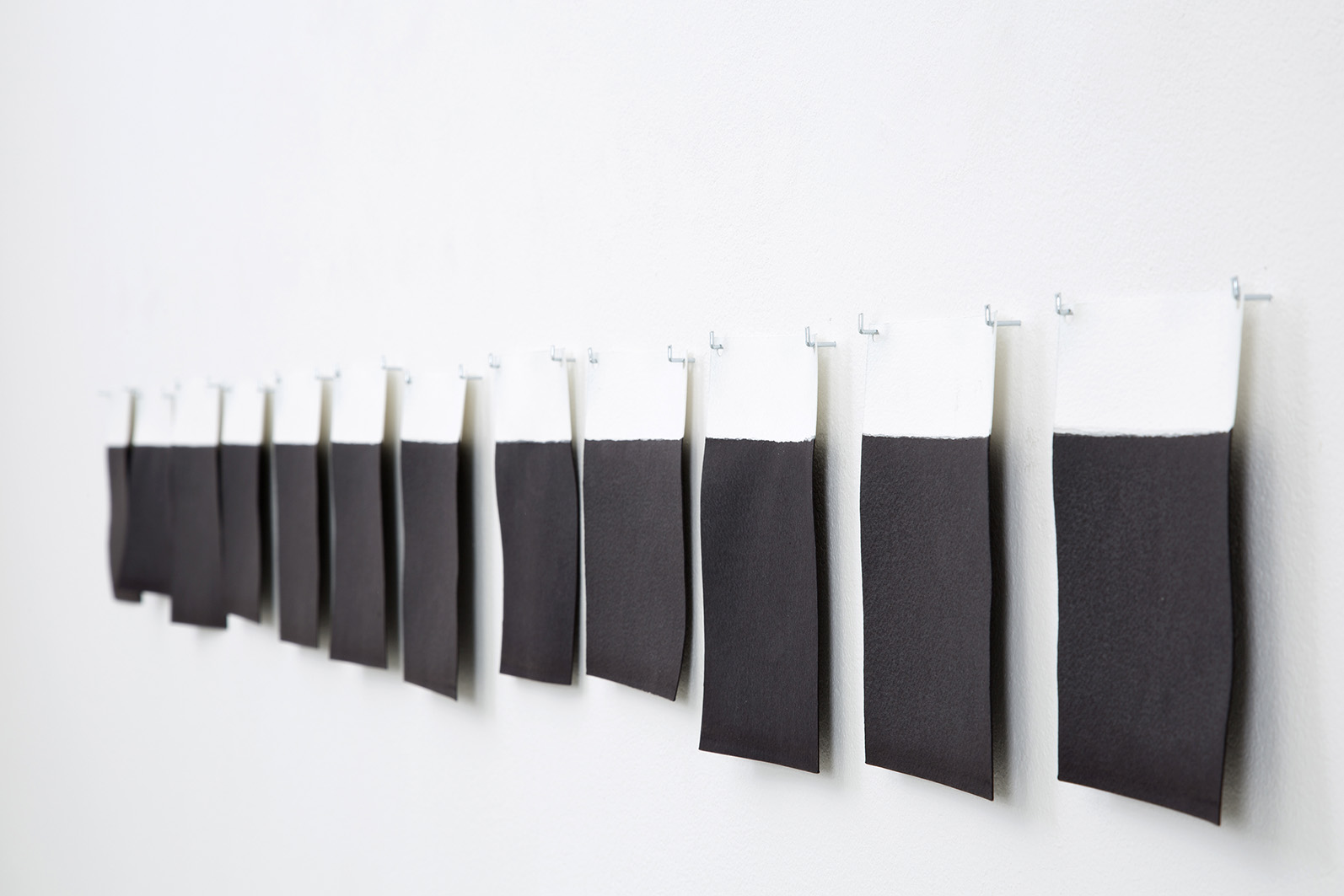
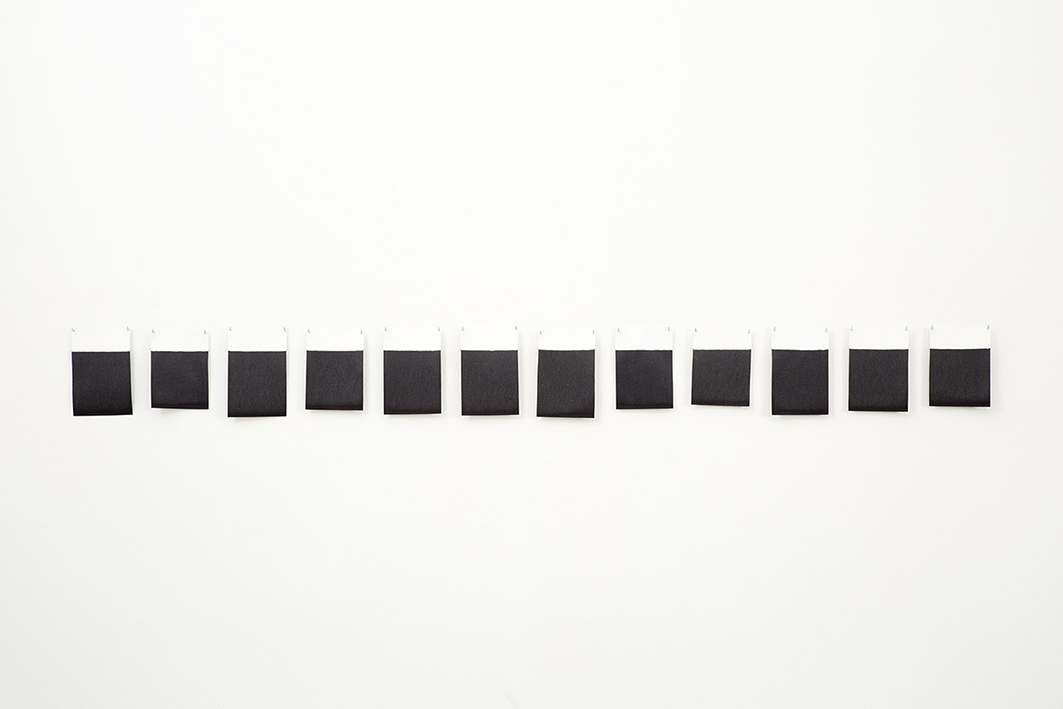
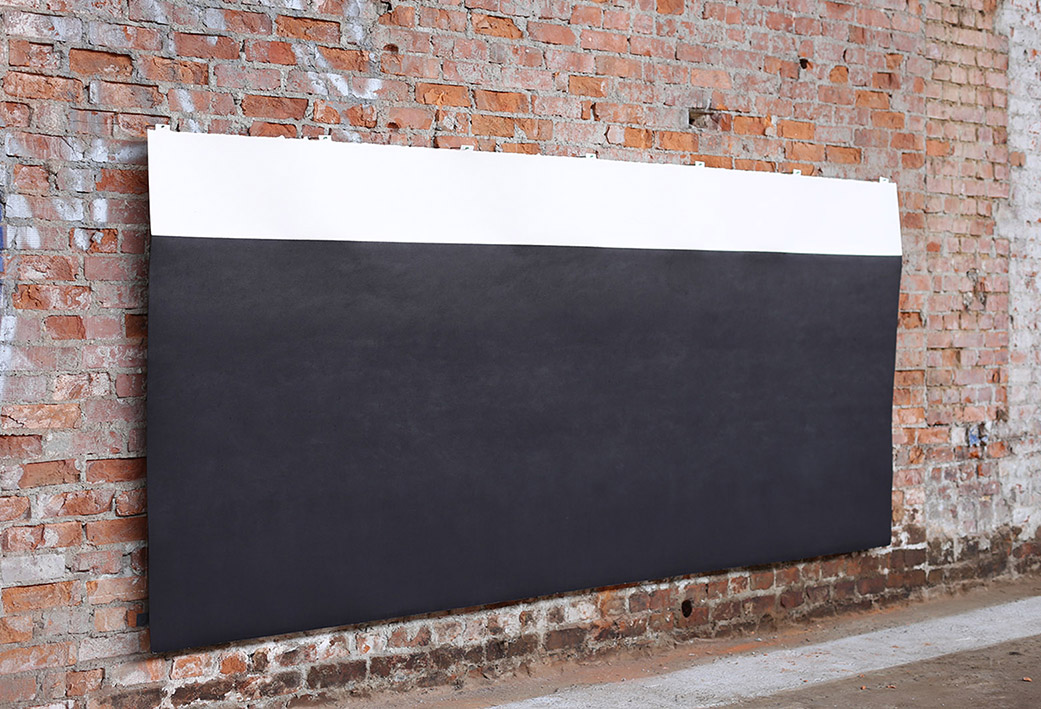
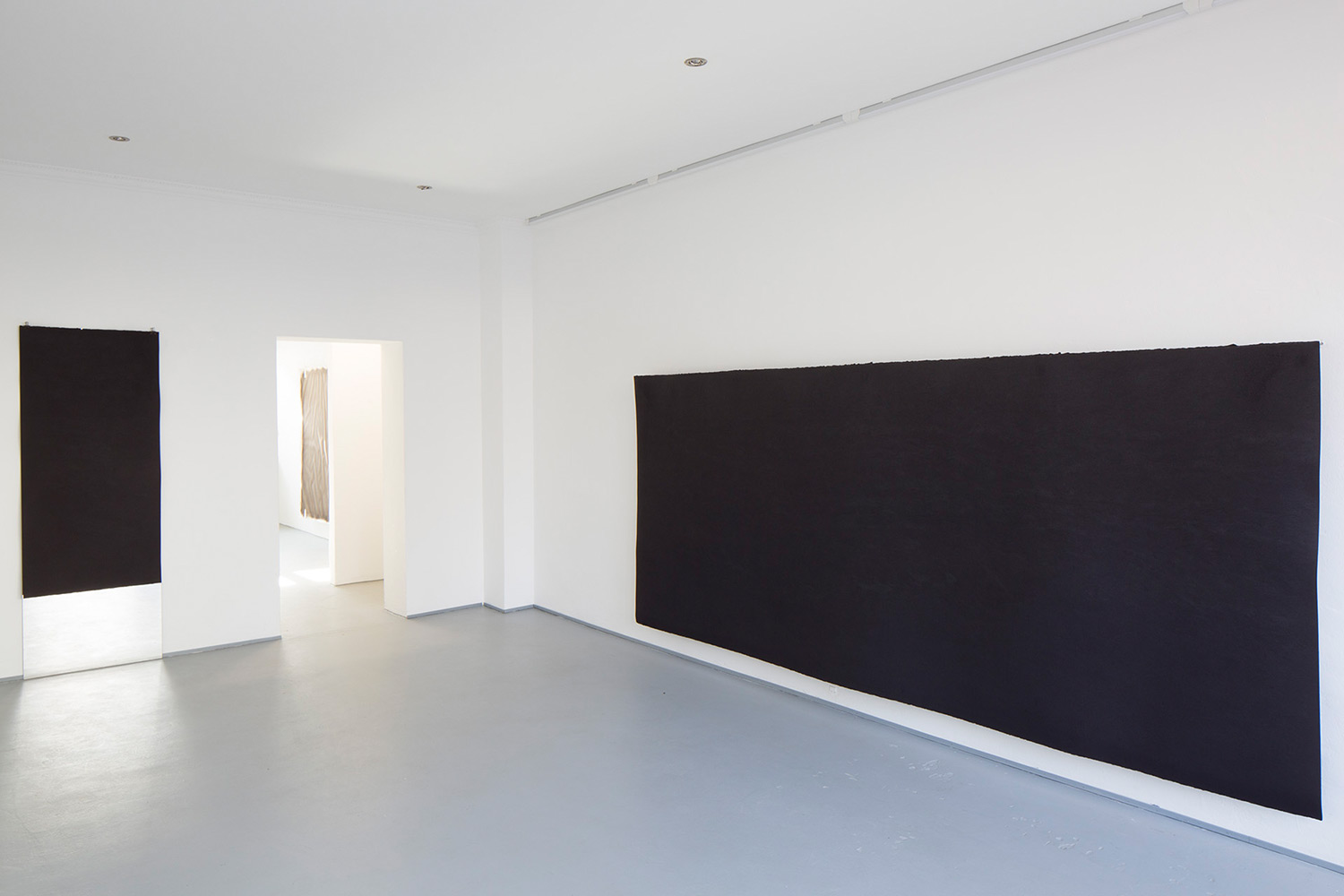
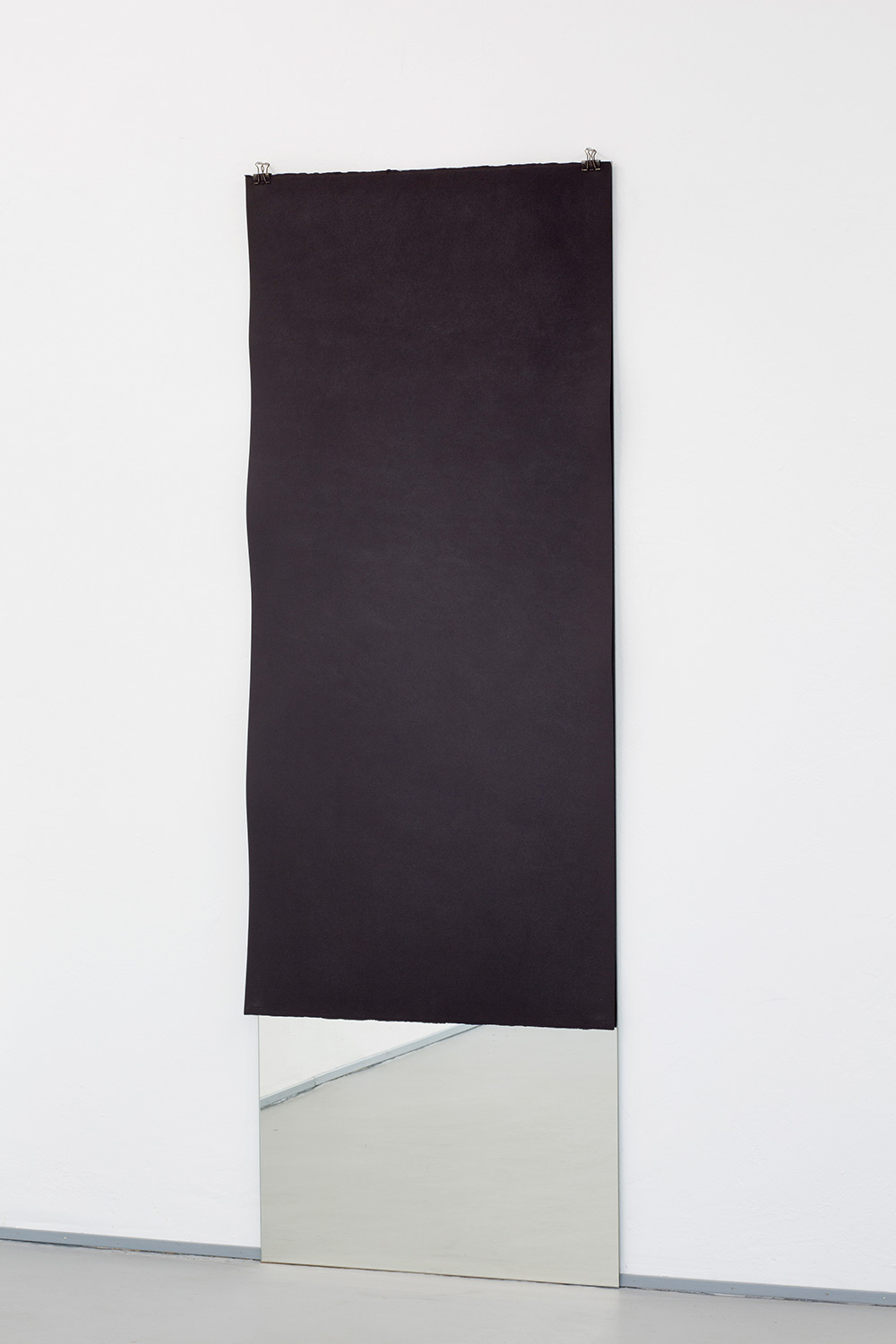
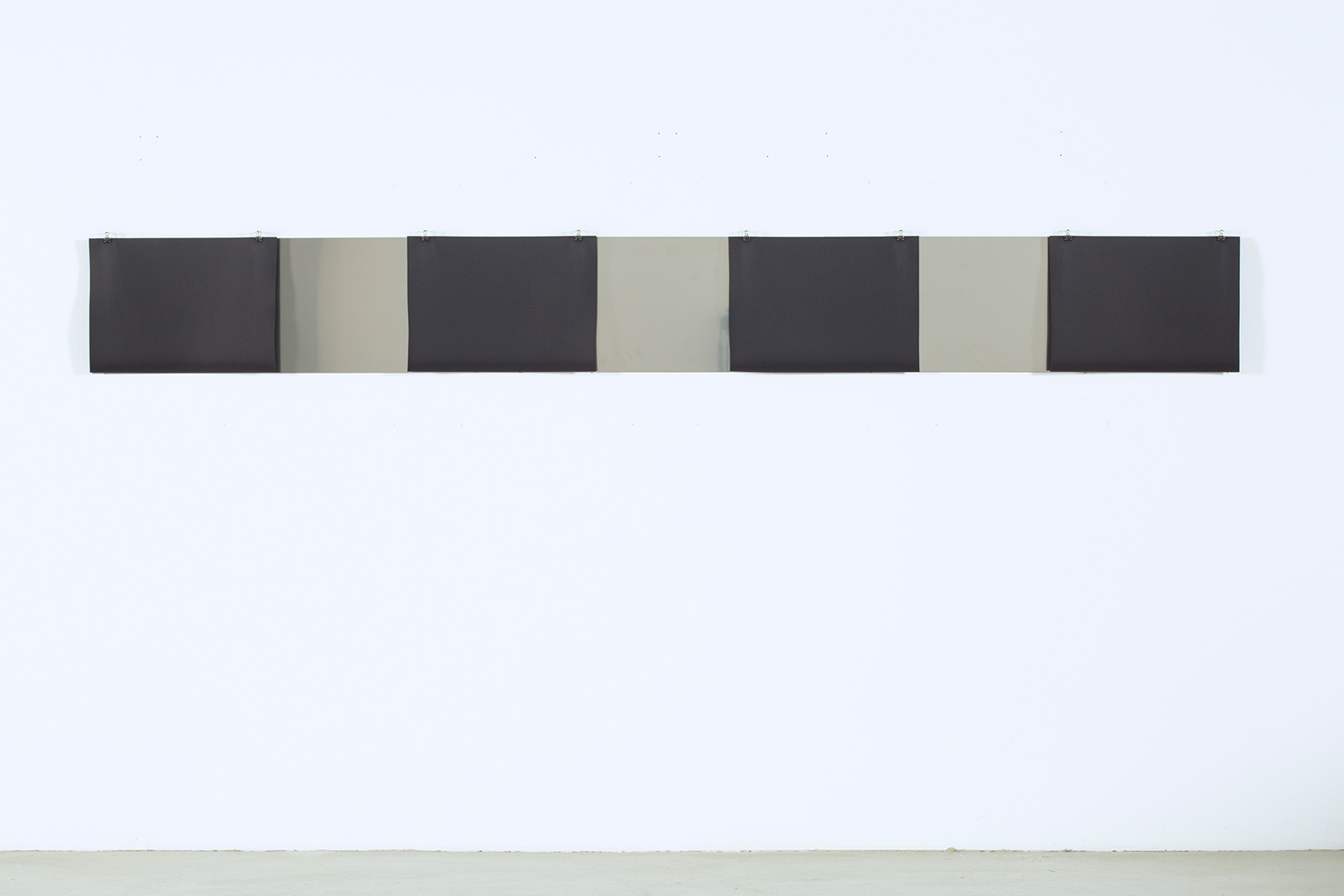
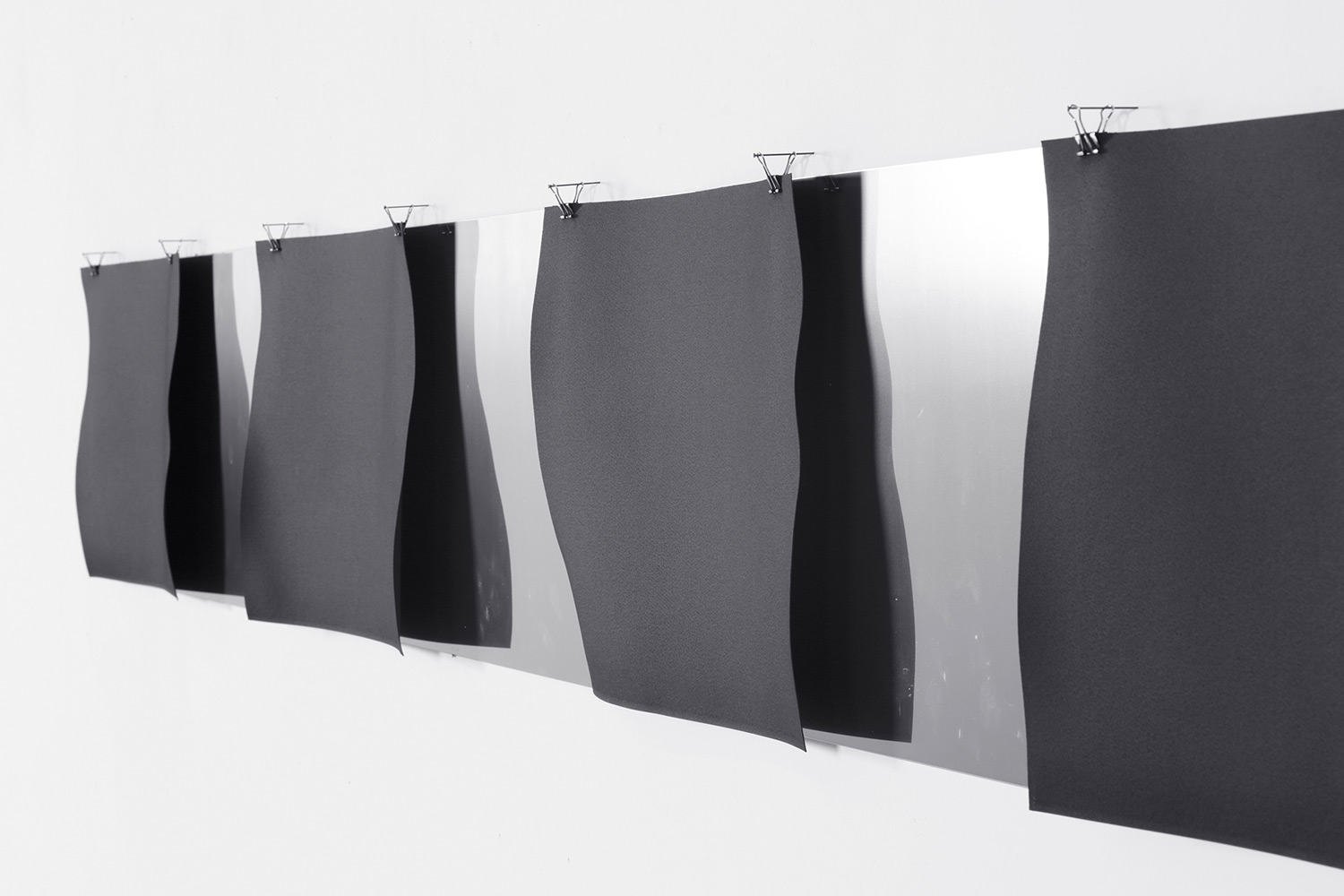
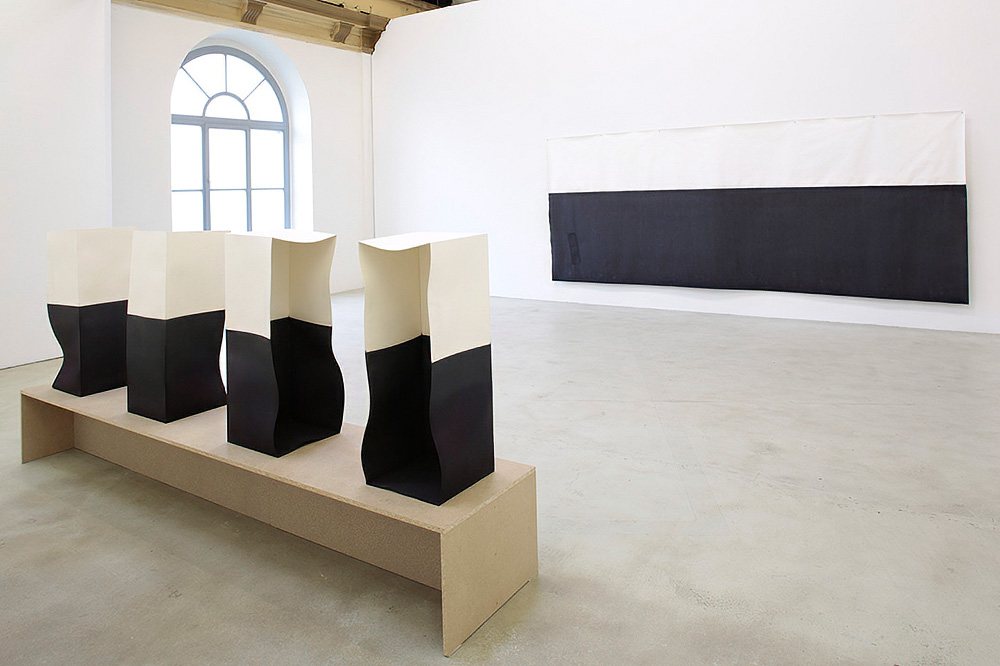
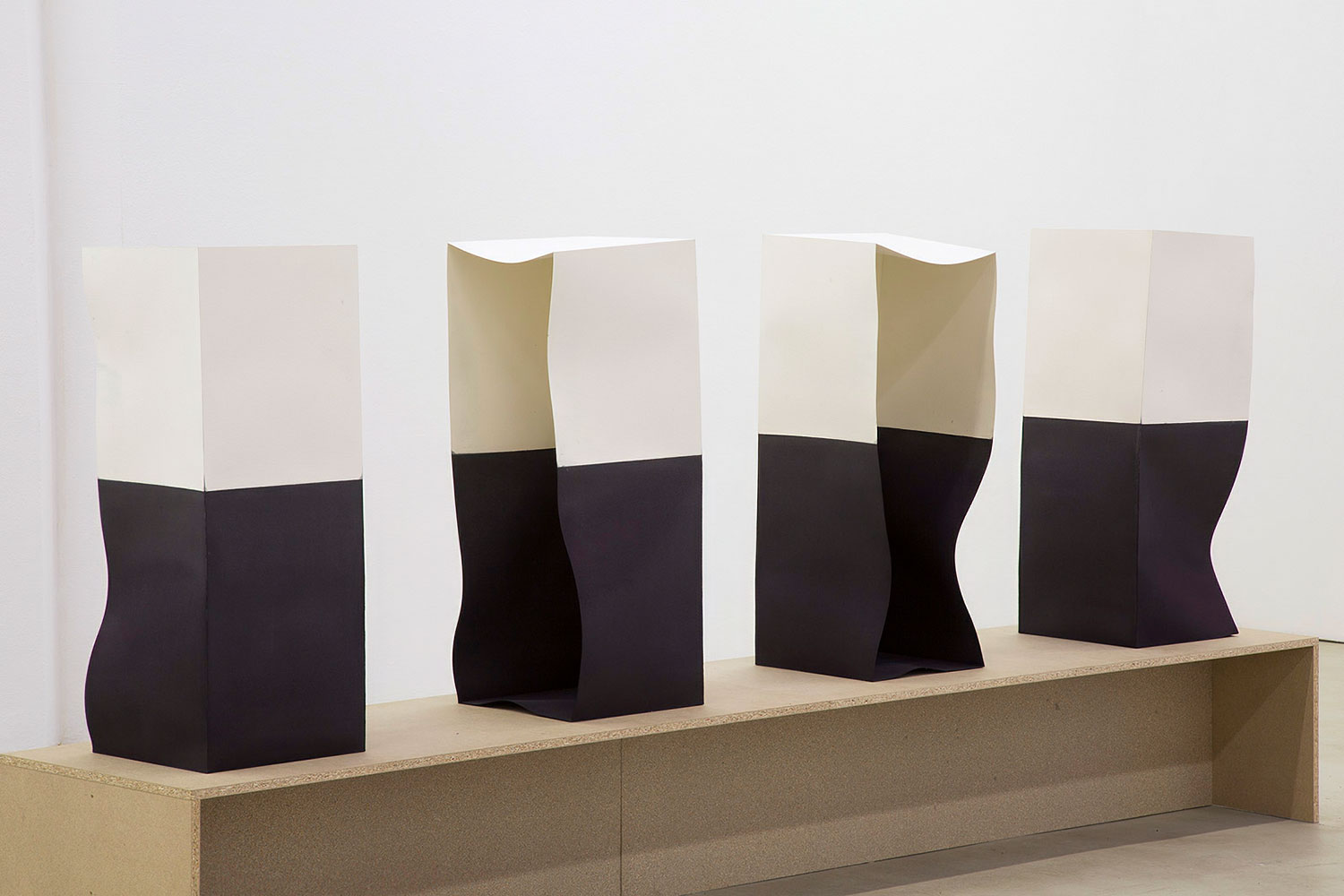
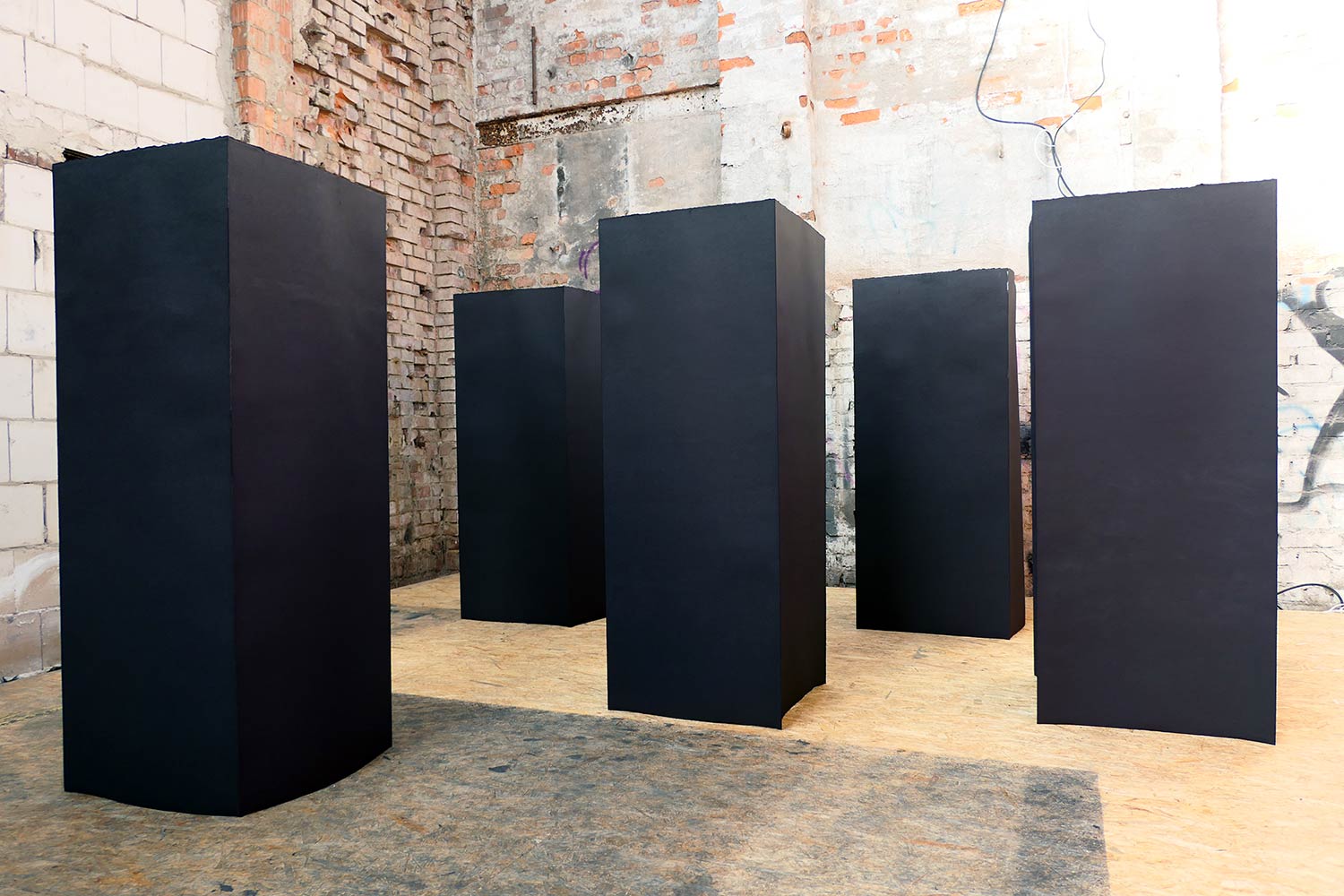
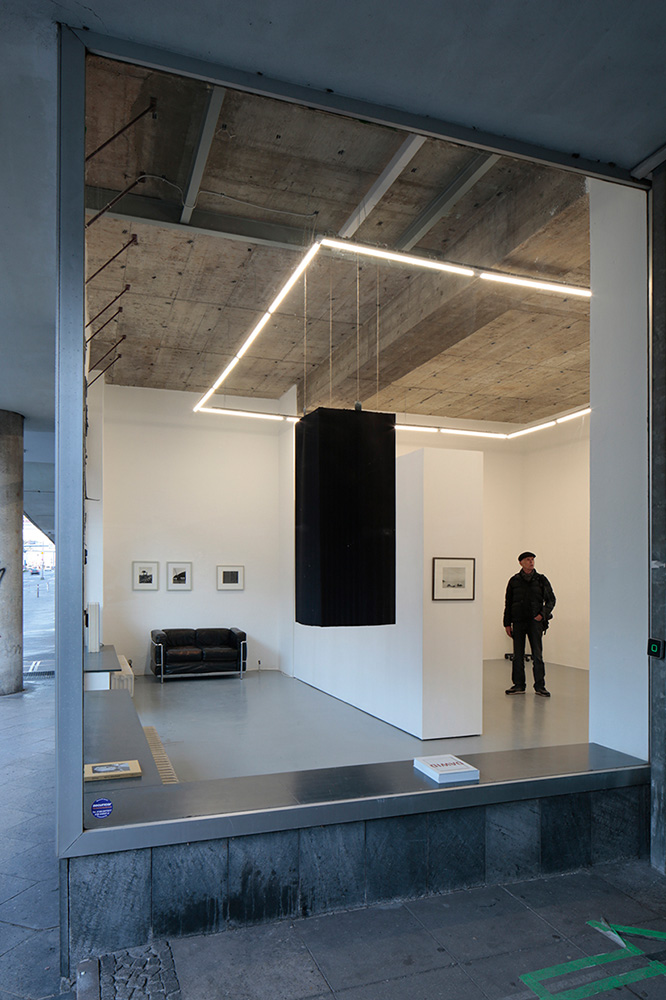
Johnen’s works emerge through repetition rather than gesture. Each work begins with the same simple action: the paper is immersed, lifted, allowed to rest, and immersed once more. Again and again and again. Yet no two works arrive at the same destination.This sustained process invites time itself into the work. Gravity and absorption become active collaborators, allowing the material to determine its own becoming. The works ultimately occupy a threshold between image and object, where the flatness of paper acquires an almost sculptural presence.
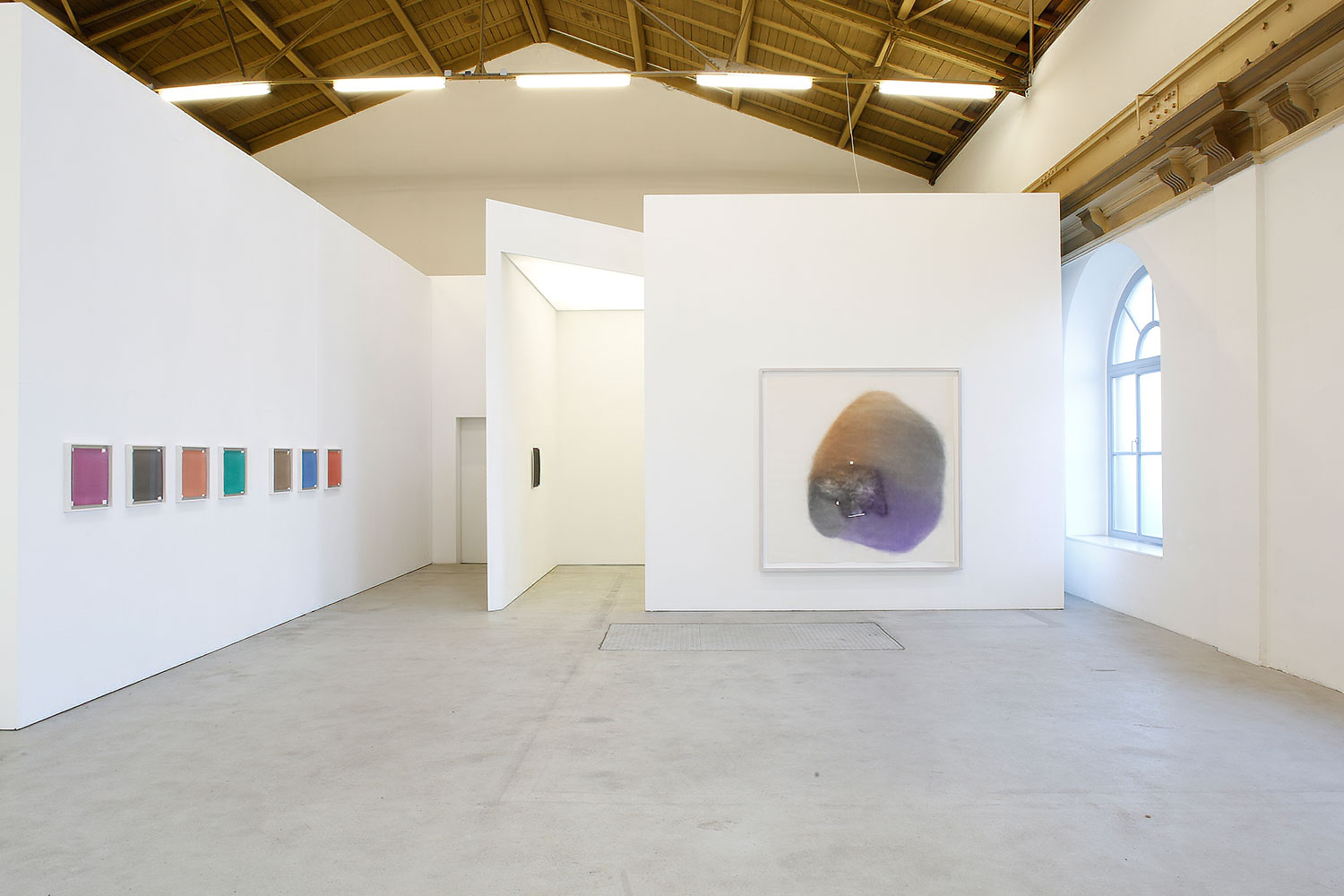
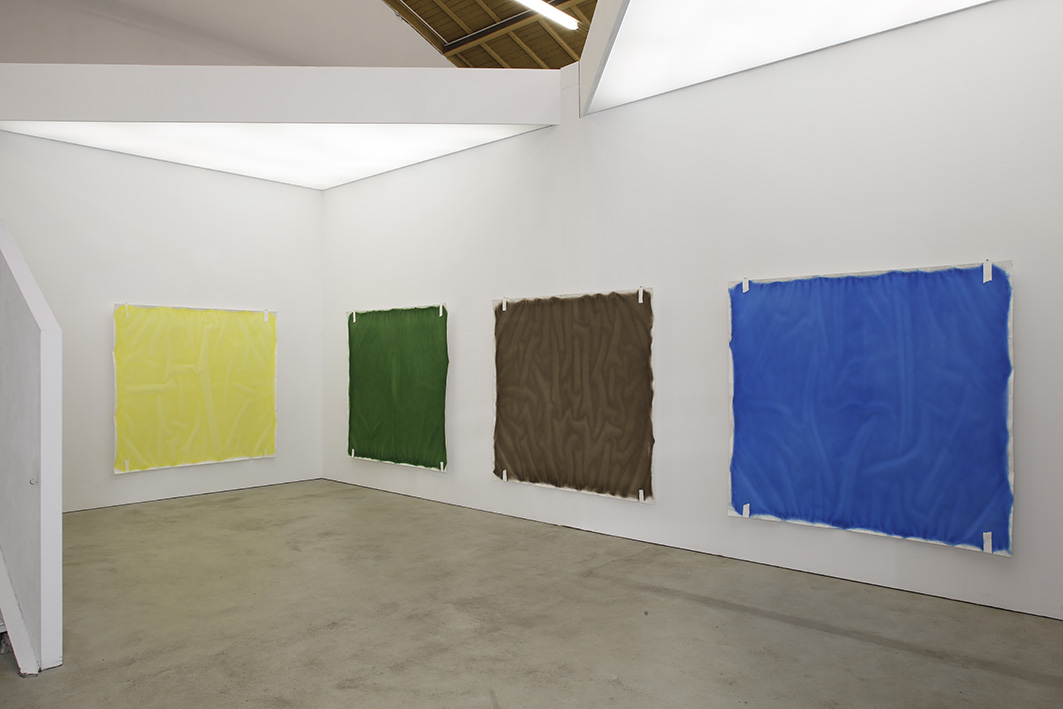
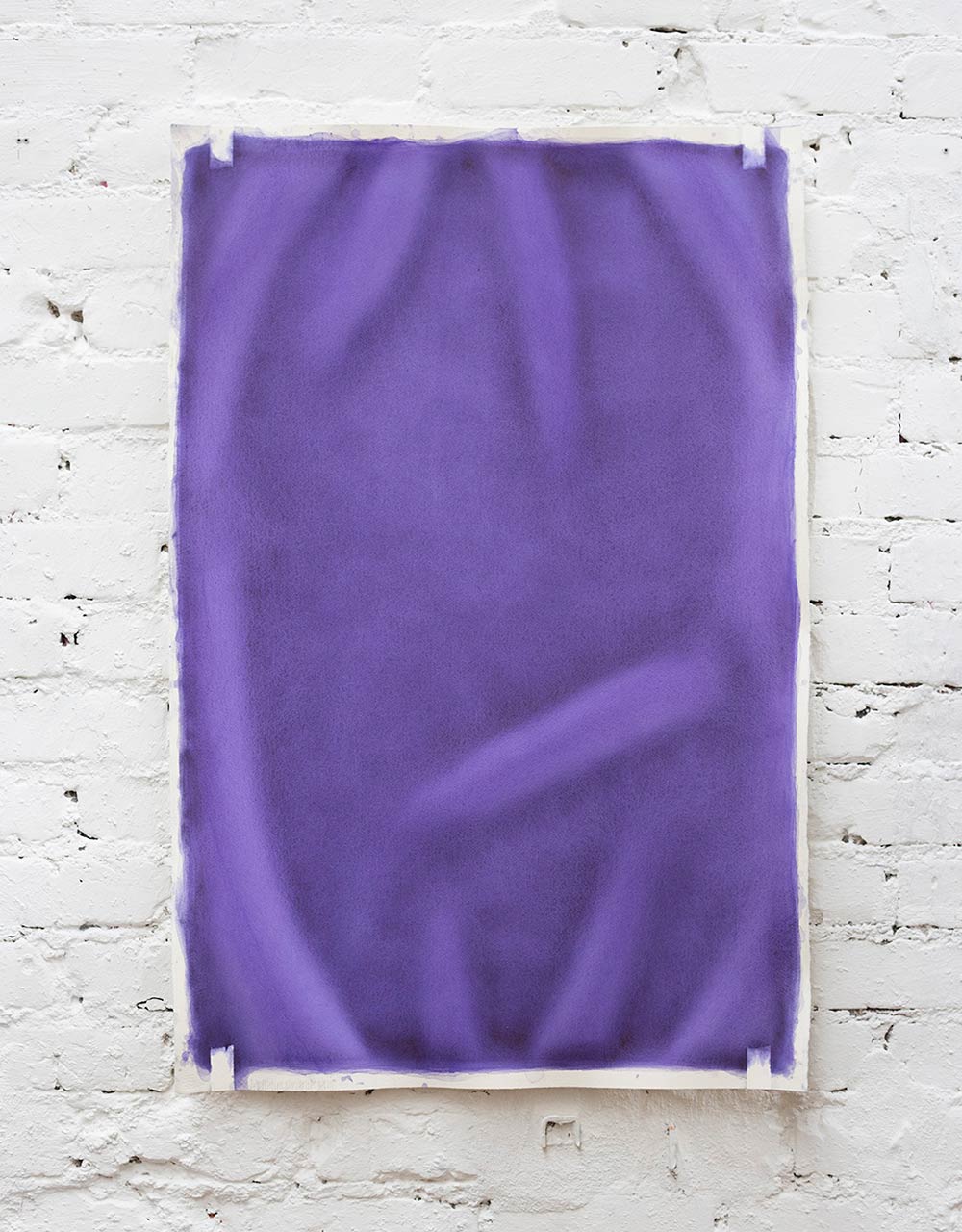
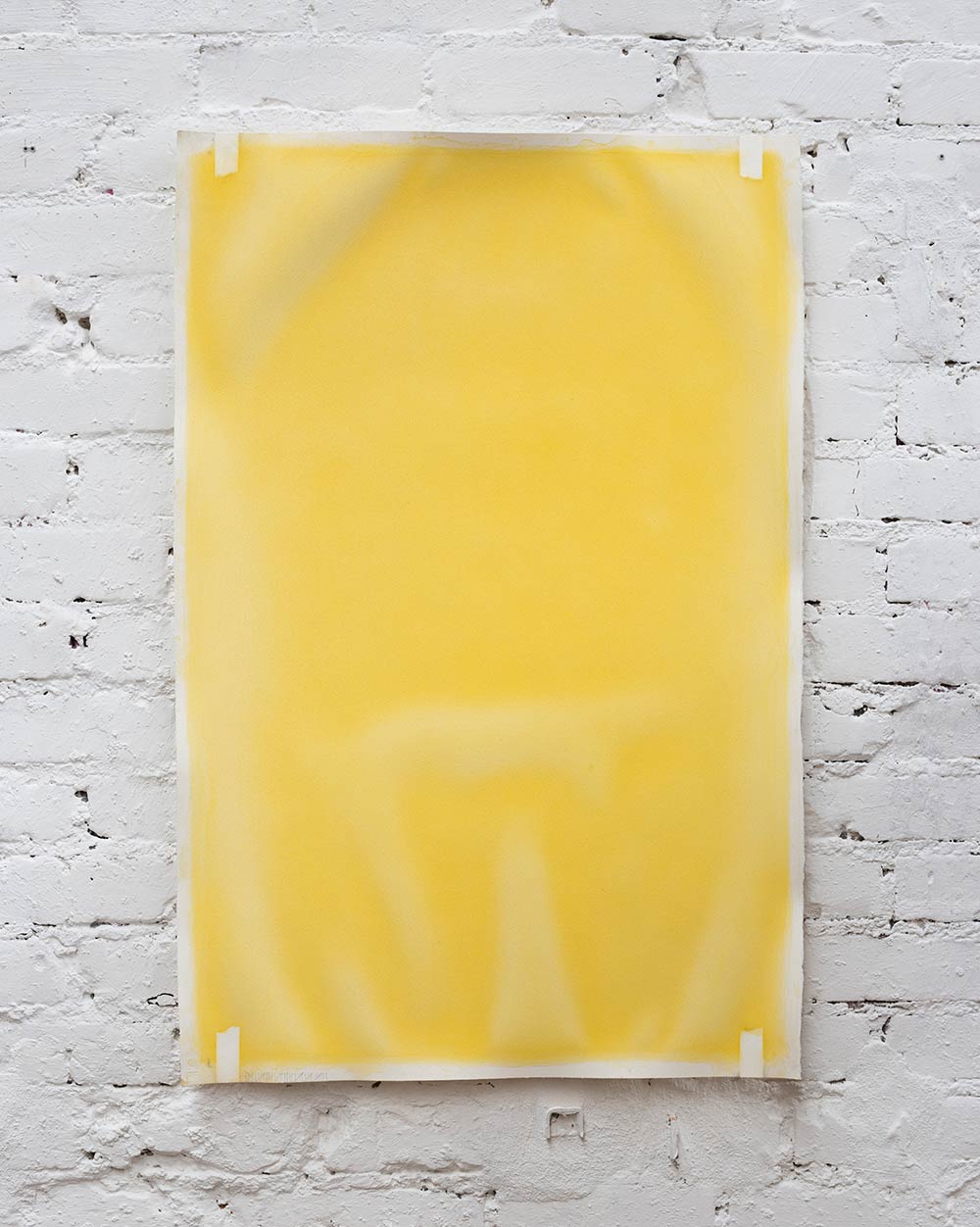
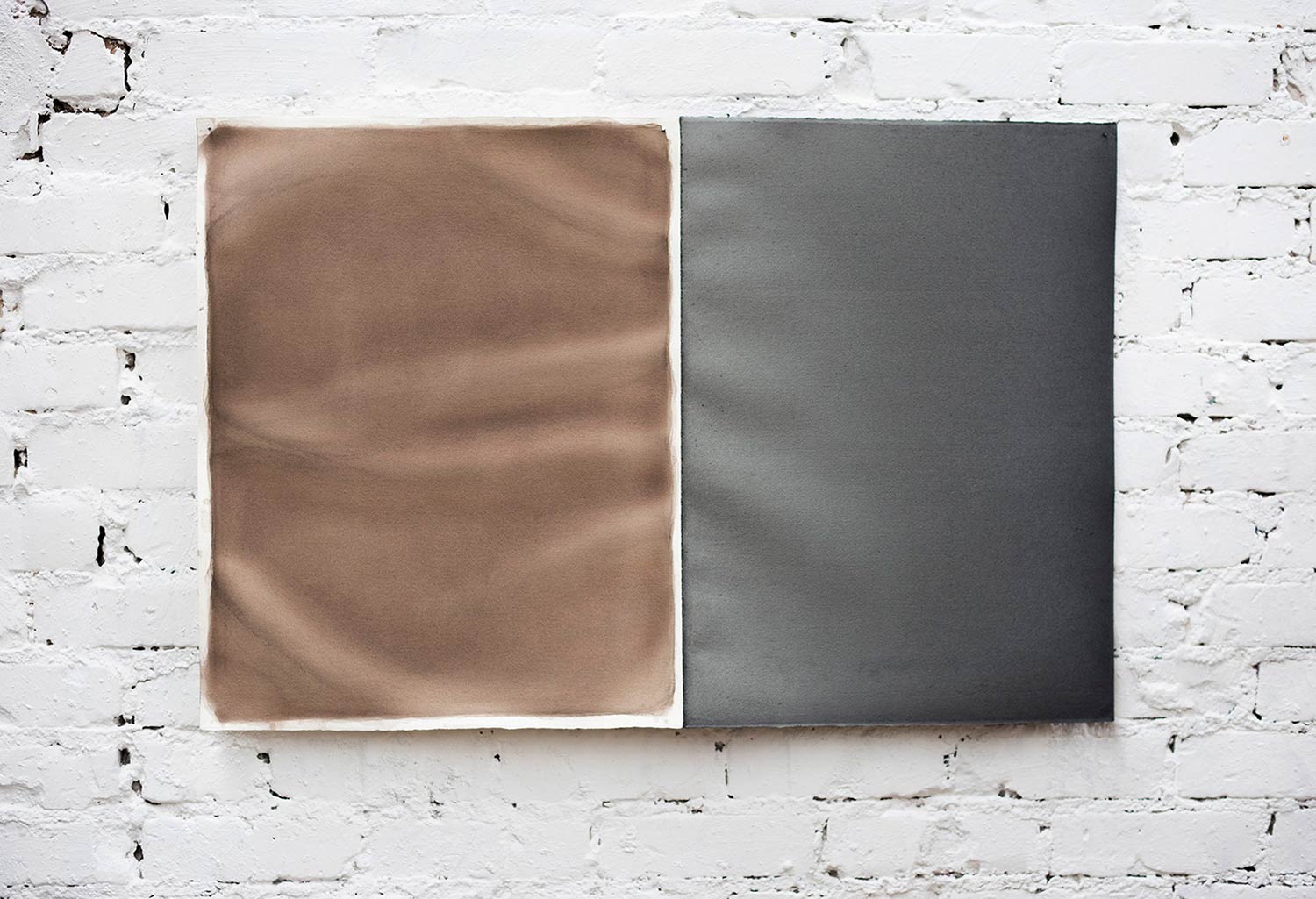
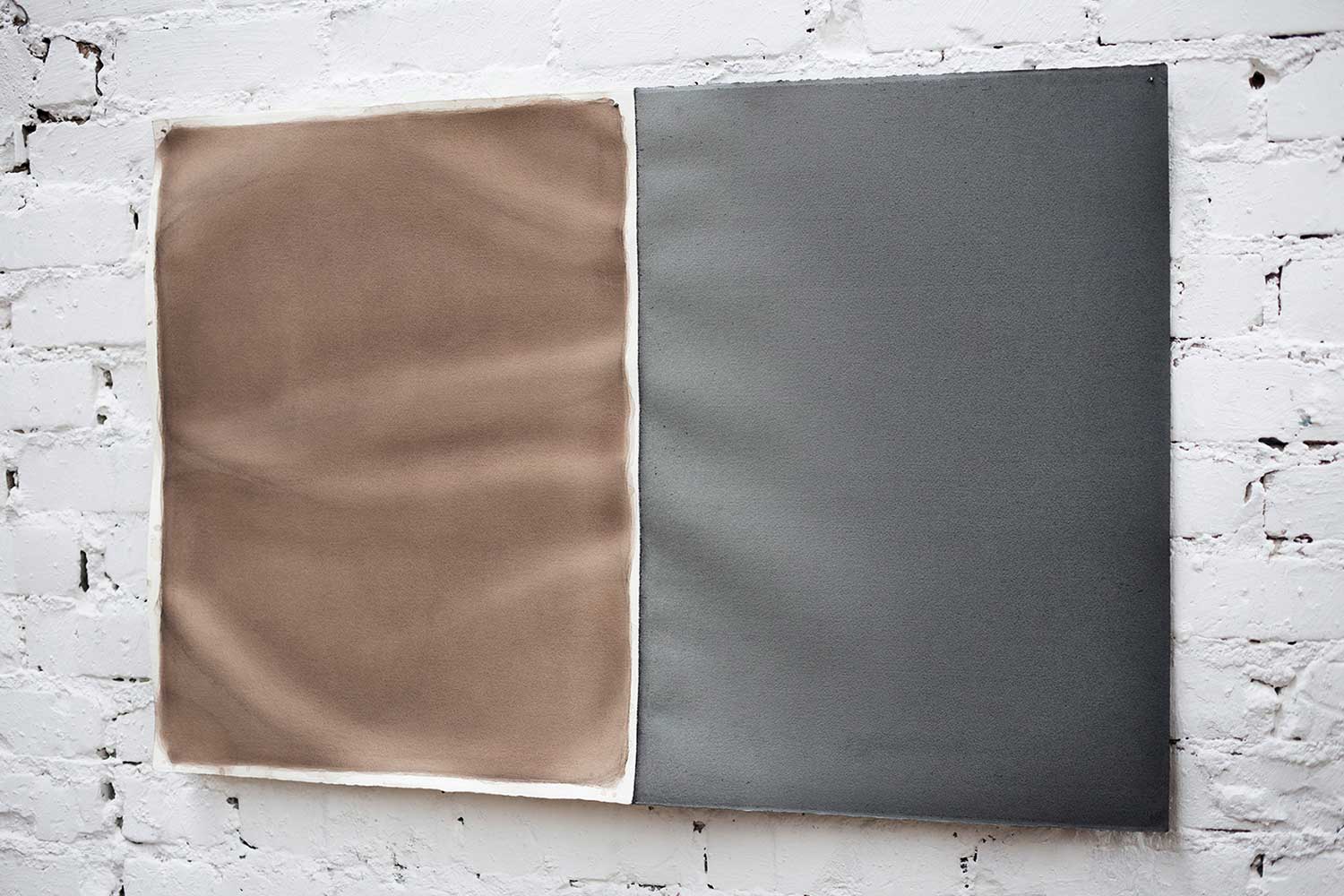
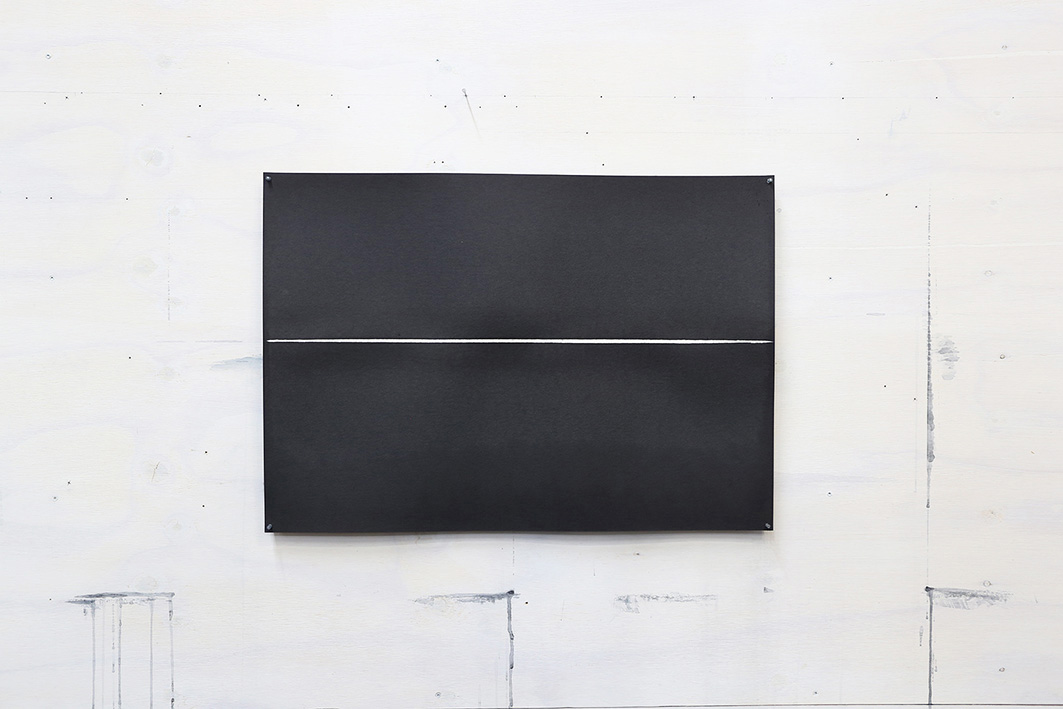
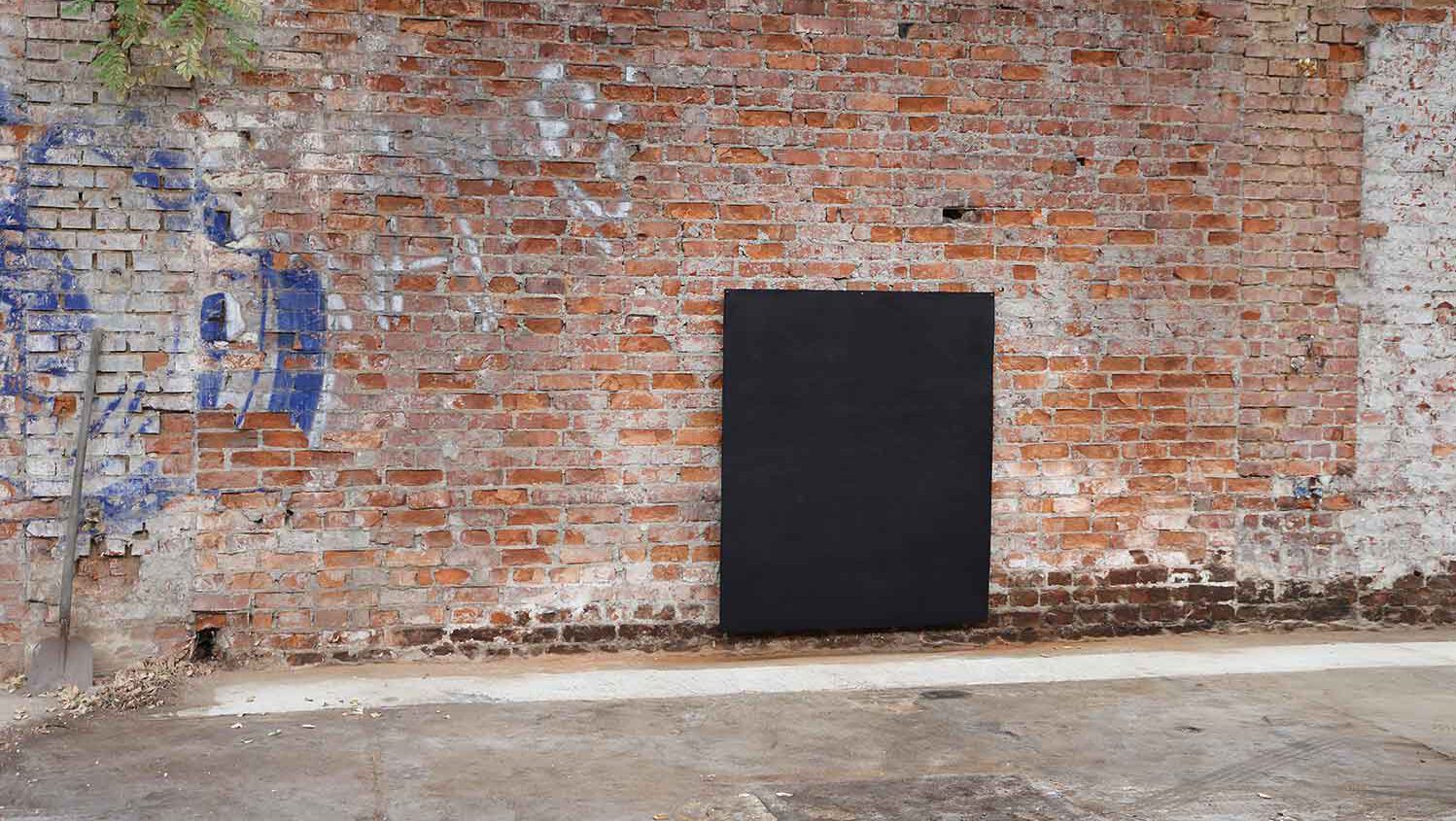
Throughout his practice, Johnen investigates how materials record physical forces and duration. Rather than treating paper as a passive support, he approaches it as an active body capable of absorbing pressure, weight, and time. Pigment is not applied to the surface but drawn deep into its fibers, transforming the paper from within. What remains is less a monochrome image than a material archive of its own making.
This transformation unfolds with remarkable restraint. The process withdraws the expressive hand in favor of patience, repetition, and attentiveness, allowing the work to emerge through accumulated duration rather than immediate action. What appears visually still is, in fact, the residue of countless invisible events: immersion, waiting, drying, and absorption.
The paper itself undergoes a subtle metamorphosis. Once an industrial, uniform sheet, it begins to assume a physical presence that exceeds its own material identity. The surface appears to breathe, to hold tension, retaining the memory of its own making. The energy transferred through Johnen’s repeated, deliberate movements remains embedded within the work long after the process has ended.
Rather than representing transformation, Johnen allows transformation itself to become the work. Saturated with pigment, labor, and time, each sheet stands as a quiet proposition: that matter remembers, that repetition can be generative, and that the slow accumulation of seemingly imperceptible actions has the capacity to alter both material and perception.